
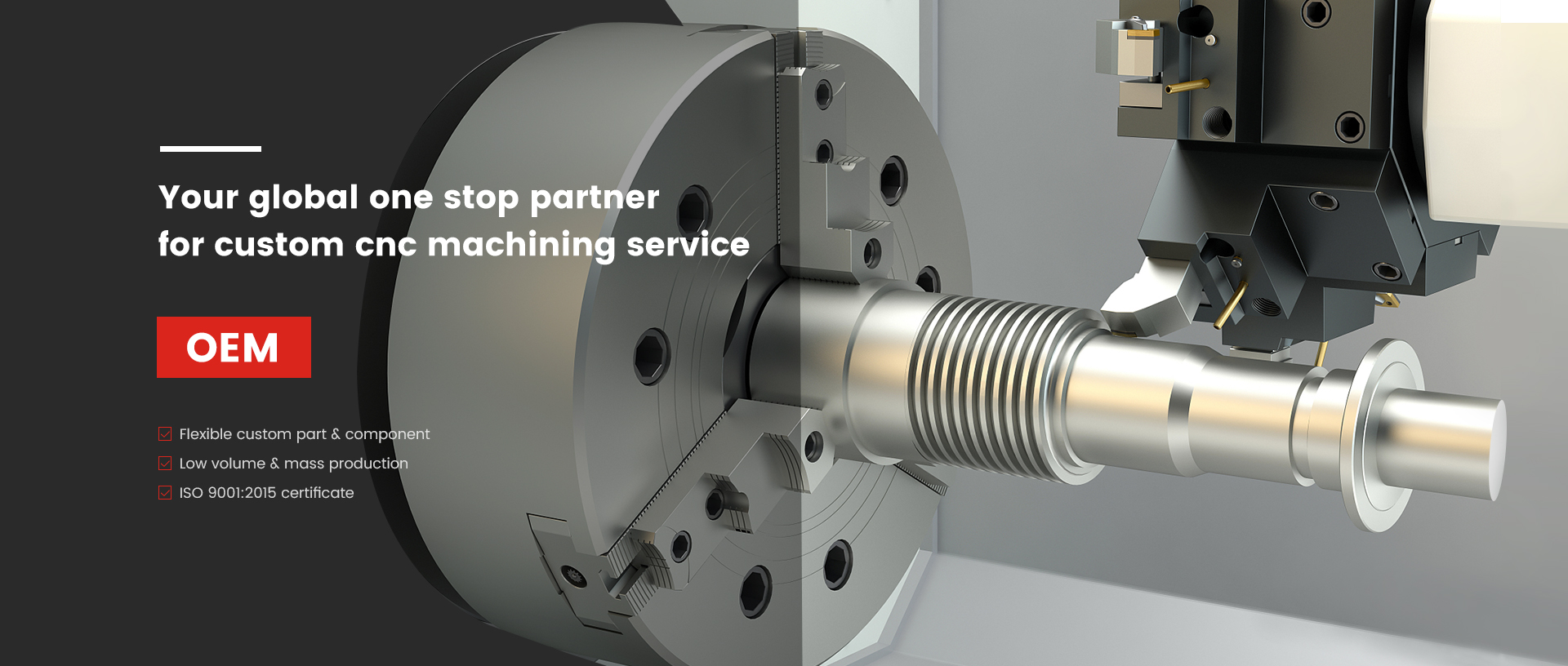
Top Types of CNC Machining by Leading Manufacturers in China
When it comes to types of CNC machining, I know how crucial it is to find the right manufacturer in China. I’ve worked with various CNC technologies, from milling and turning to laser cutting and grinding. Each type offers unique advantages depending on the materials and precision you need. Partnering with a reliable Chinese manufacturer means you get access to advanced machinery and skilled technicians who can bring your designs to life. I’ve seen firsthand how the right CNC process can enhance efficiency and reduce costs in production. Whether you're looking for prototypes or mass production, I can help you navigate the options to select the ideal machining type. By choosing the right CNC solutions, you’re not just investing in quality; you’re setting your business up for success. Let’s connect to discuss how the various types of CNC machining can meet your specific needs and elevate your project.
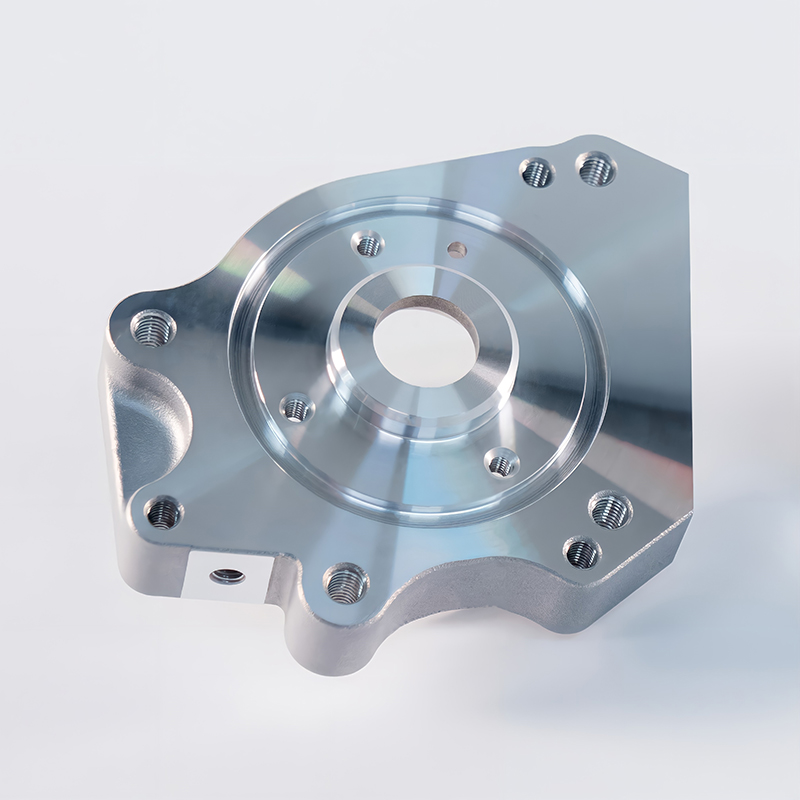
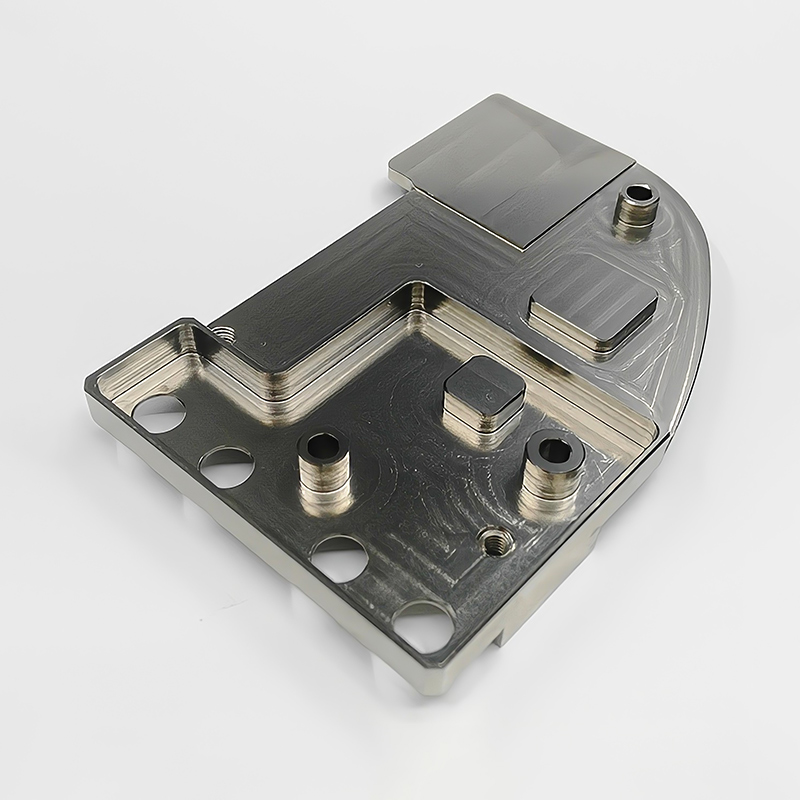
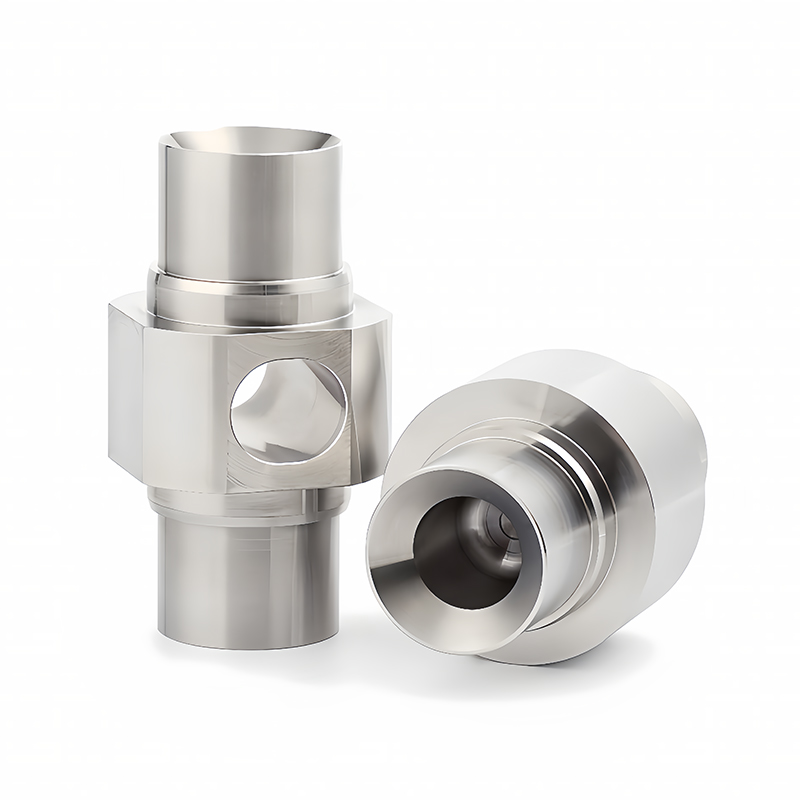
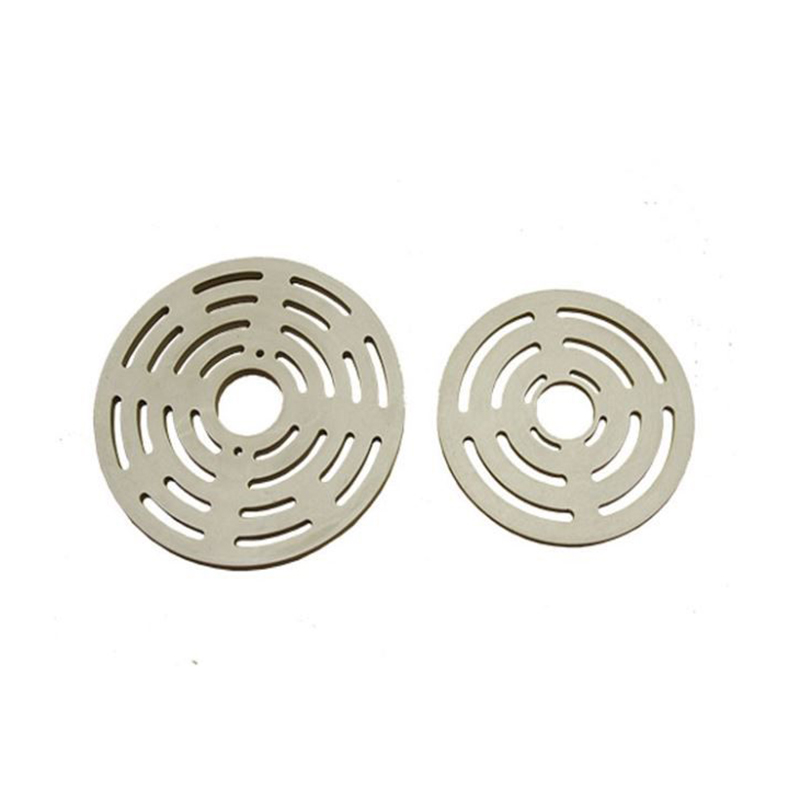
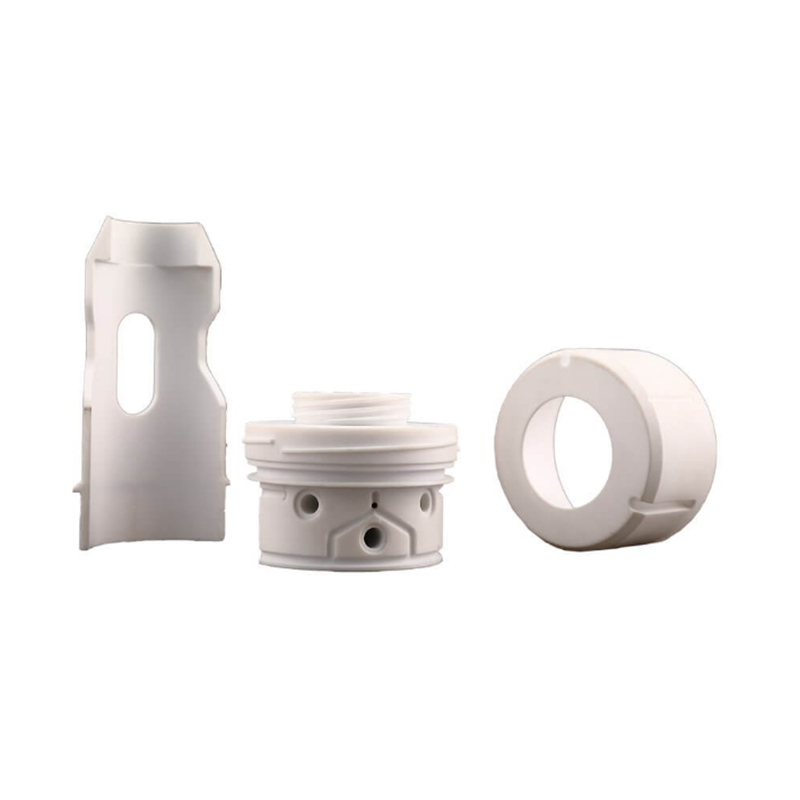
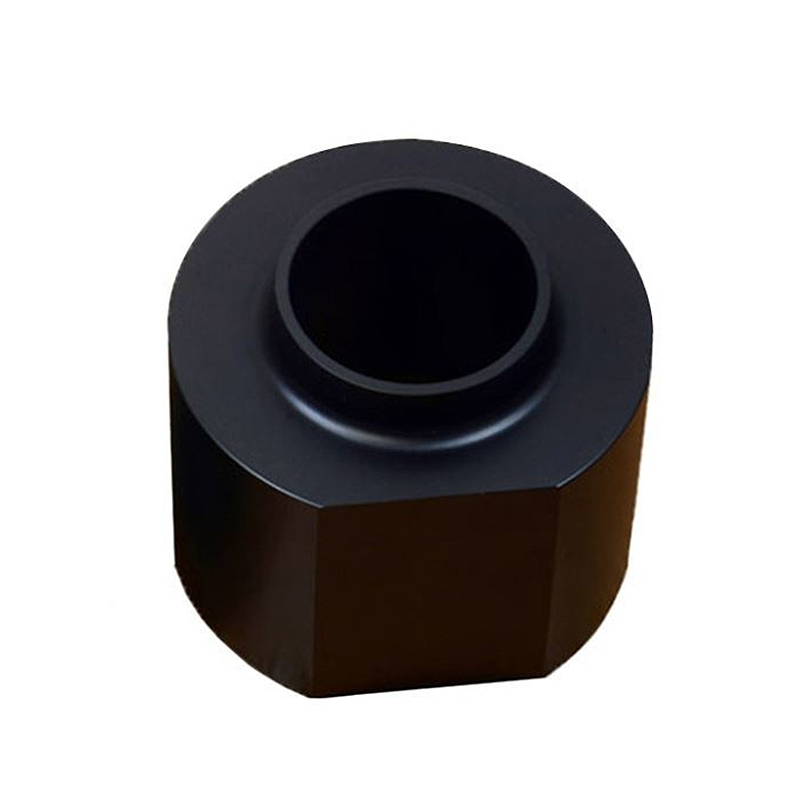
Types Of Cnc Machining For the Current Year Now Trending
As industries evolve and technology advances, CNC machining continues to play a crucial role in manufacturing innovative products. In the current year, several types of CNC machining are trending, primarily driven by the increasing demand for precision and efficiency across various sectors. From aerospace to automotive and consumer electronics, companies are leveraging CNC machining to enhance their production capabilities and meet customer expectations. One prominent trend is the rise of multi-axis CNC machining. This technology allows for more complex geometries and intricate designs, making it ideal for producing components that require high precision and tight tolerances. As industries explore new materials like advanced composites and lightweight metals, multi-axis machining is becoming indispensable for manufacturers aiming to innovate while maintaining cost-effectiveness. Furthermore, the integration of automation and robotics into CNC machining processes is streamlining operations, reducing lead times, and minimizing human error, which ultimately boosts productivity. Another noteworthy trend is the focus on sustainability in CNC machining practices. Manufacturers are increasingly adopting eco-friendly materials and reducing waste through more efficient cutting strategies. This not only aligns with global sustainability goals but also appeals to environmentally-conscious consumers. As the demand for customized and short-run production increases, CNC machining provides the flexibility needed to adapt to these changing market dynamics. Embracing these trends will enable manufacturers to stay competitive and meet the challenges of the modern manufacturing landscape head-on.
Types Of CNC Machining For the Current Year Now Trending
| Machining Type | Description | Applications | Material Compatibility |
|---|---|---|---|
| CNC Milling | A subtractive manufacturing process employing rotating tools to cut material. | Automotive parts, aerospace components, molds. | Aluminum, steel, plastics. |
| CNC Turning | Manipulating a workpiece against a stationary cutting tool to create cylindrical parts. | Shafts, bushings, fittings. | Brass, aluminum, stainless steel. |
| CNC Laser Cutting | Using a laser to cut materials with high precision and speed. | Signage, artwork, industrial components. | Acrylic, wood, metals. |
| CNC Plasma Cutting | Employing a plasma torch to cut through electrically conductive materials. | Structural steel, shipbuilding. | Mild steel, stainless steel. |
| CNC Waterjet Cutting | Cutting materials using a high-pressure jet of water, sometimes mixed with abrasive particles. | Aerospace, automotive, stonework. | Glass, ceramics, metals. |
Related Products
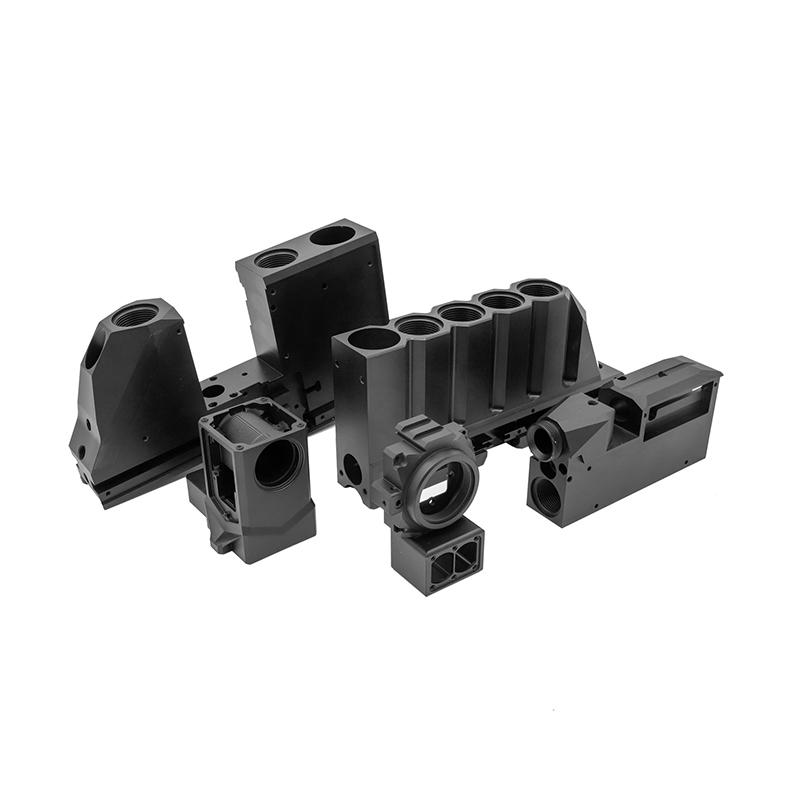
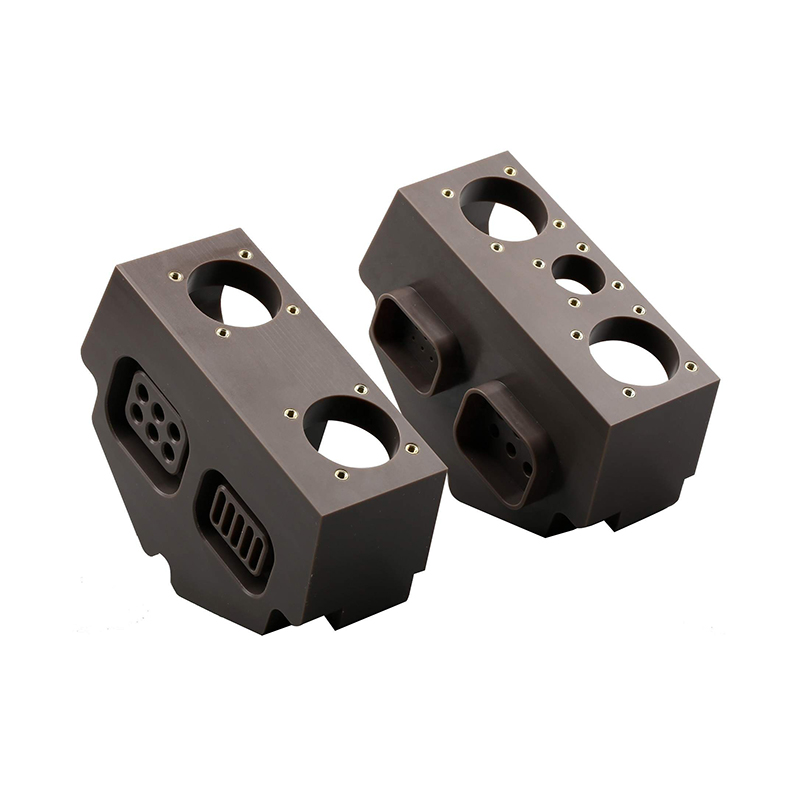


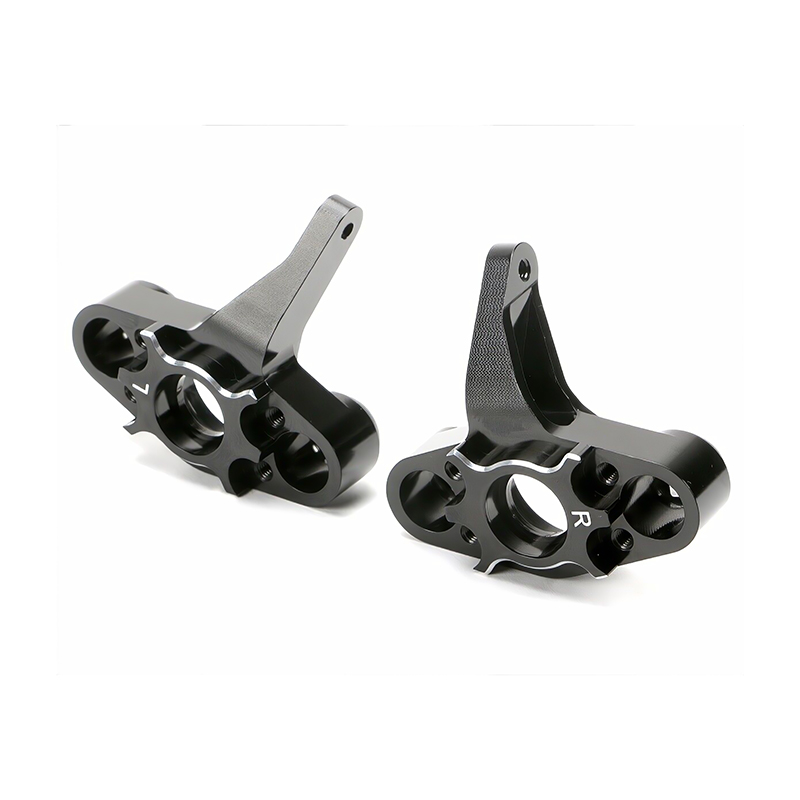

Types Of Cnc Machining Stands Out Now Trending
Top Selling Products


- Related Blog
- Reviews

-

Phone
-

E-mail
-

Whatsapp
-

WeChat
Kachi machining

-

Top
