
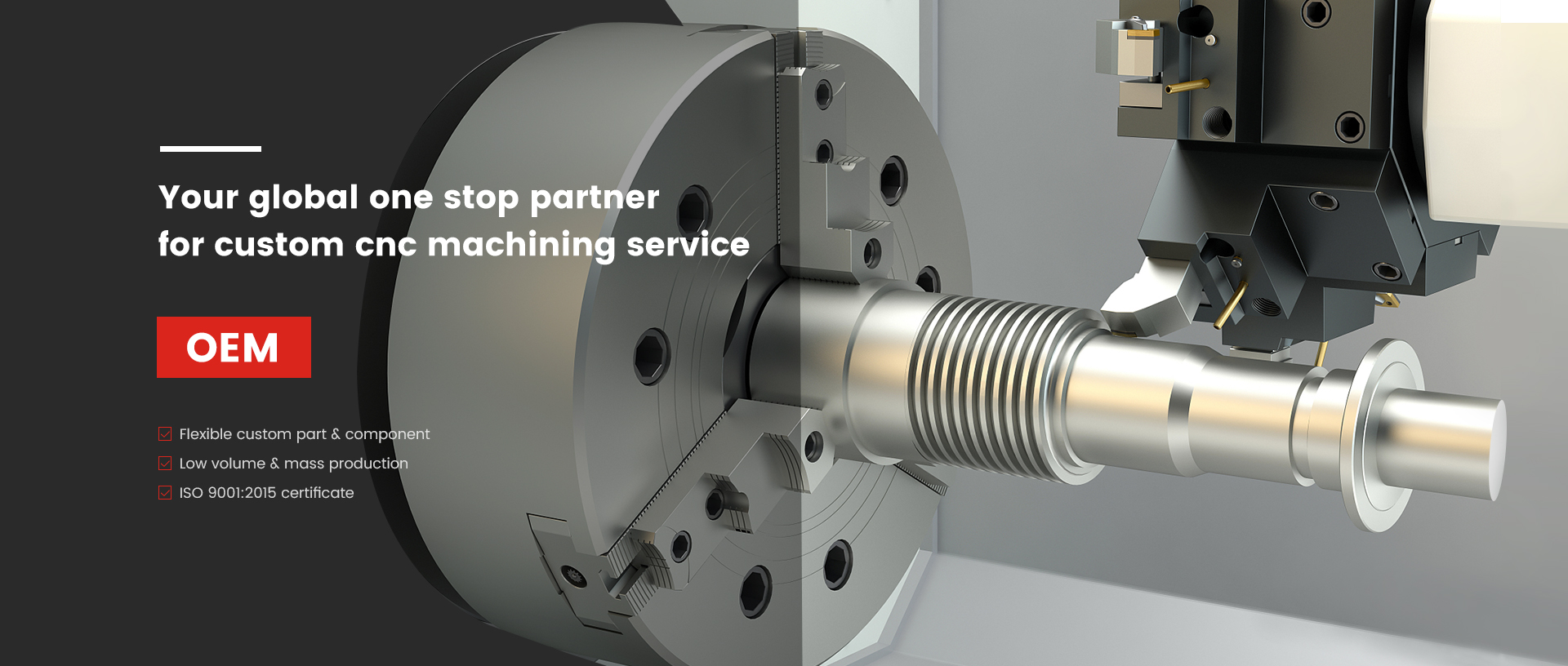
Top China Manufacturer for Rapid Prototyping Solutions and Services
When it comes to rapid prototyping, I know how crucial it is to find a reliable manufacturer in China. Our services are tailored to meet the unique needs of your project, ensuring high quality and fast turnaround times. With advanced techniques and state-of-the-art technology, we bring your ideas to life efficiently. Whether you’re looking to test a concept or develop a full-scale production, our team is here to support you every step of the way. We understand the importance of precision and speed in today’s competitive market, and that's why our rapid prototyping solutions are designed to get your products to market quicker than ever before. Partnering with us means you get not just a service provider, but a trusted ally in your product development journey. Let’s turn your innovative ideas into tangible results that captivate your audience and meet market demands head-on. Reach out today and let’s start prototyping your success!
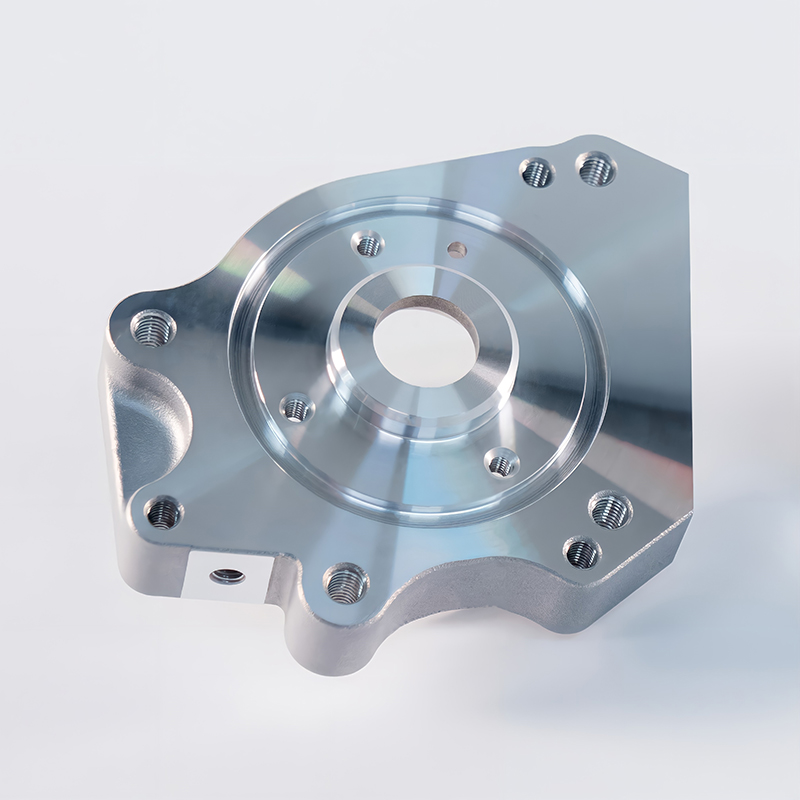
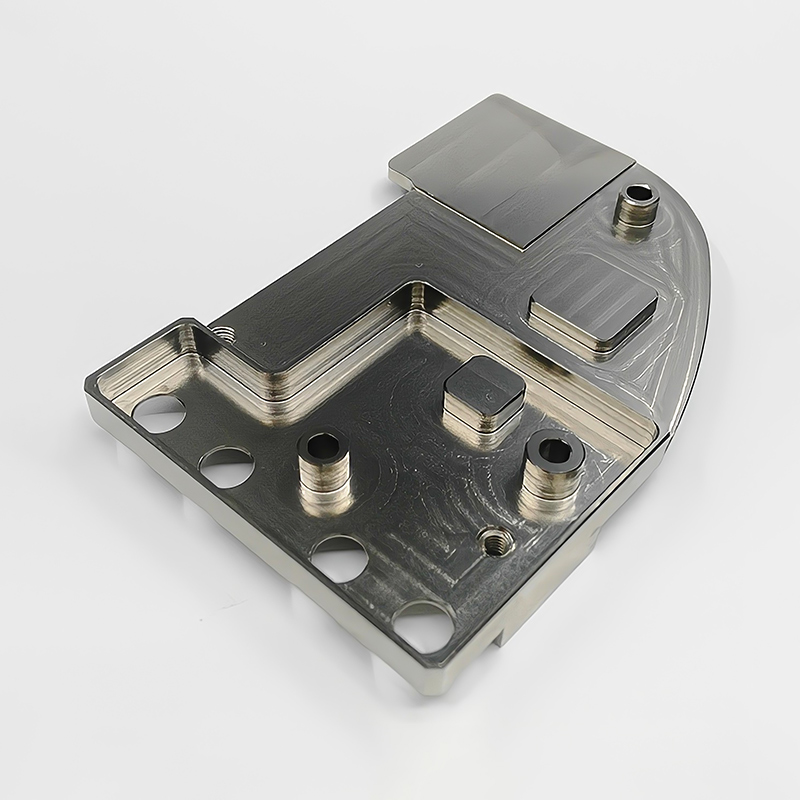
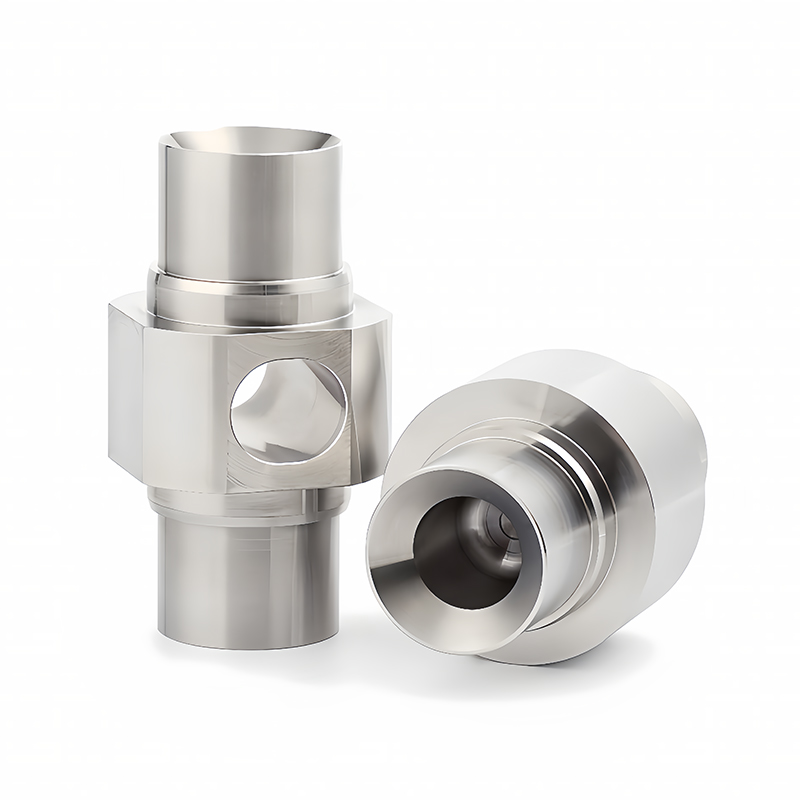
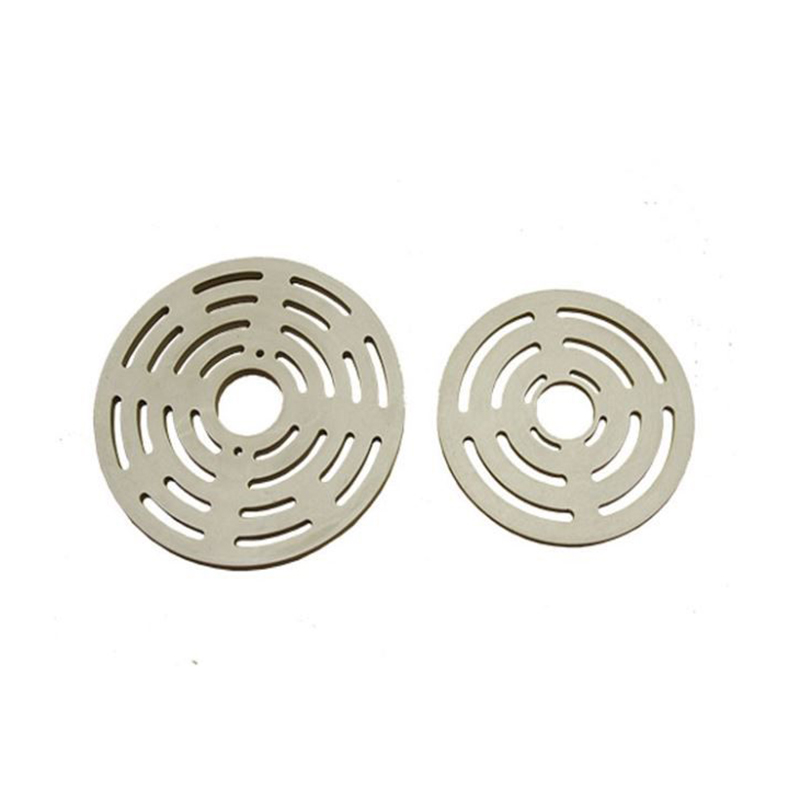
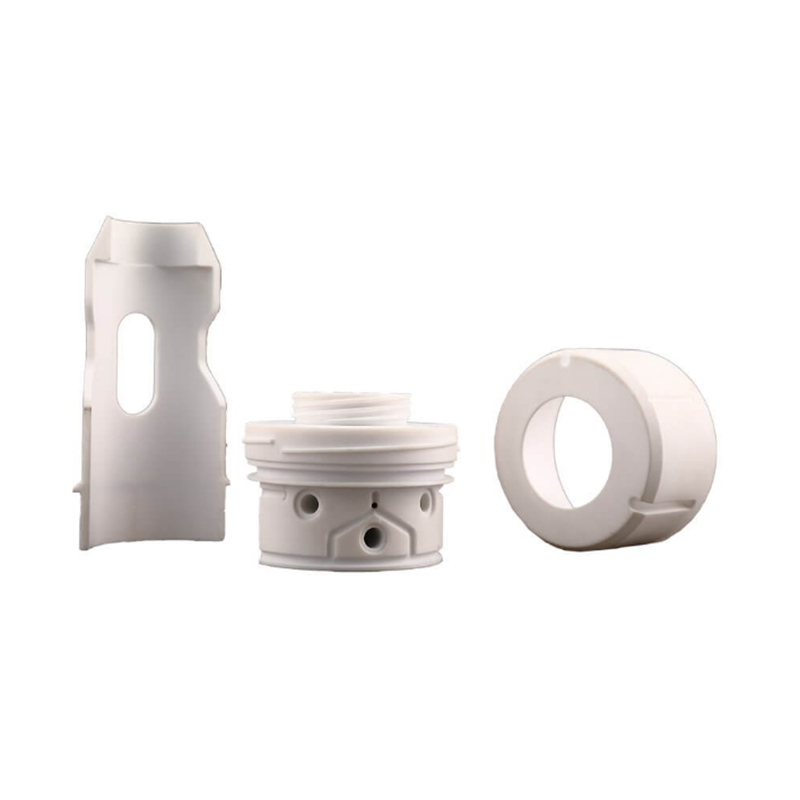
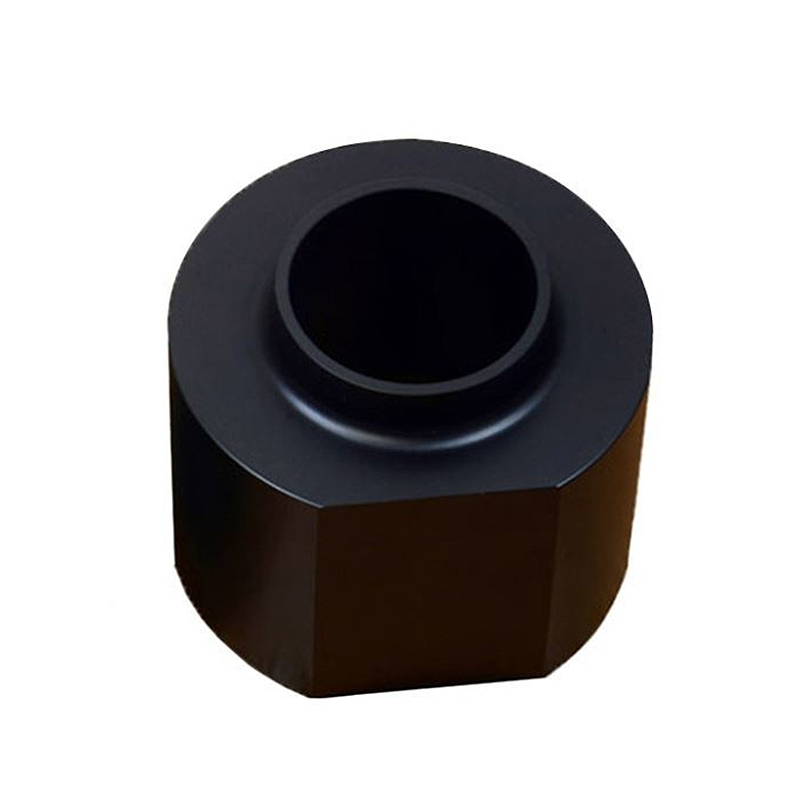
Rapid Prototyping Dominates Where Innovation Meets 2025
In an era where innovation is paramount, rapid prototyping has emerged as a key driver in product development, setting the stage for breakthroughs across various industries by 2025. The ability to quickly transform concepts into tangible prototypes enables businesses to iterate designs faster, reducing time-to-market while enhancing product quality. As industries face increasing competition, the adoption of advanced prototyping techniques empowers companies to experiment with materials and designs, ultimately leading to more innovative solutions that cater to both consumer needs and market demands. As global procurement professionals seek reliable partners, the importance of rapid prototyping becomes evident. This method not only supports the development of complex geometries but also allows for real-time testing and feedback, ensuring that end products align closely with market expectations. By leveraging cutting-edge technologies like 3D printing and CNC machining, manufacturers can produce high-fidelity prototypes that reflect the nuances of final products. Consequently, businesses can make informed decisions about production processes, reducing waste and optimizing resource allocation. The move towards sustainability and efficiency is another critical aspect of the rapid prototyping landscape. By enabling shorter production cycles and minimizing resource consumption, companies can align their operations with eco-friendly practices. As the world gravitates towards smarter and more sustainable solutions, staying ahead through rapid prototyping will not only foster innovation but also enhance competitiveness in the global marketplace. Embracing these strategies will be vital for suppliers looking to thrive in the dynamic business environment of 2025 and beyond.
Rapid Prototyping Dominates Where Innovation Meets 2025
| Prototype Type | Industry | Main Technologies | Lead Time (Weeks) | Material Used |
|---|---|---|---|---|
| 3D Printing | Consumer Electronics | FDM, SLA | 2 | PLA, ABS |
| CNC Machining | Automotive | Milling, Turning | 3 | Aluminum, Steel |
| Vacuum Casting | Medical Devices | Silicone Molds | 4 | Polyurethane |
| Laser Cutting | Aerospace | CO2 Laser | 1 | Composite Materials |
| Injection Molding | Consumer Goods | Thermoplastics | 6 | Polypropylene |
Related Products
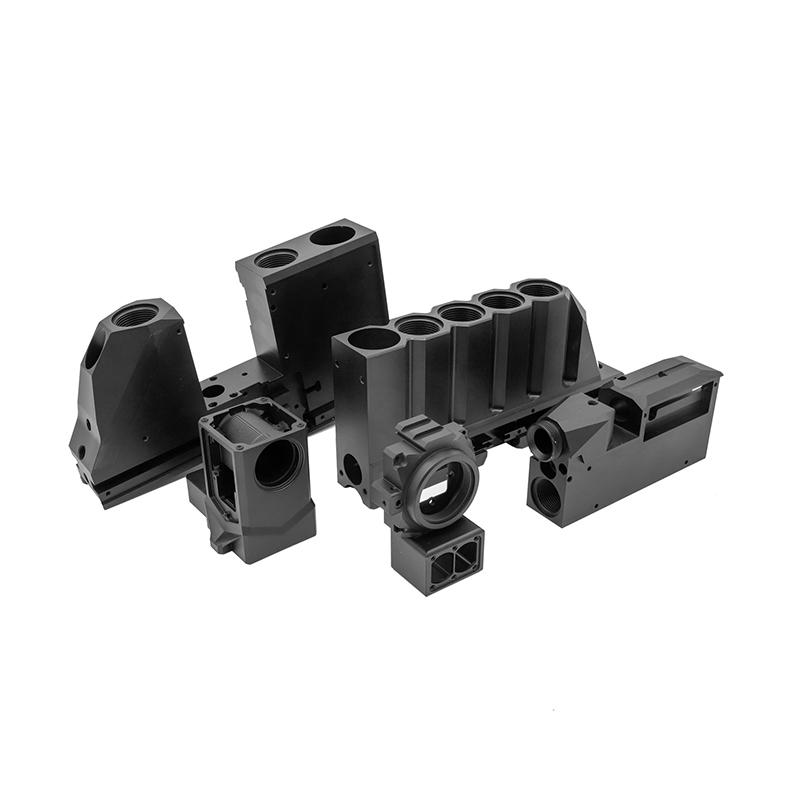
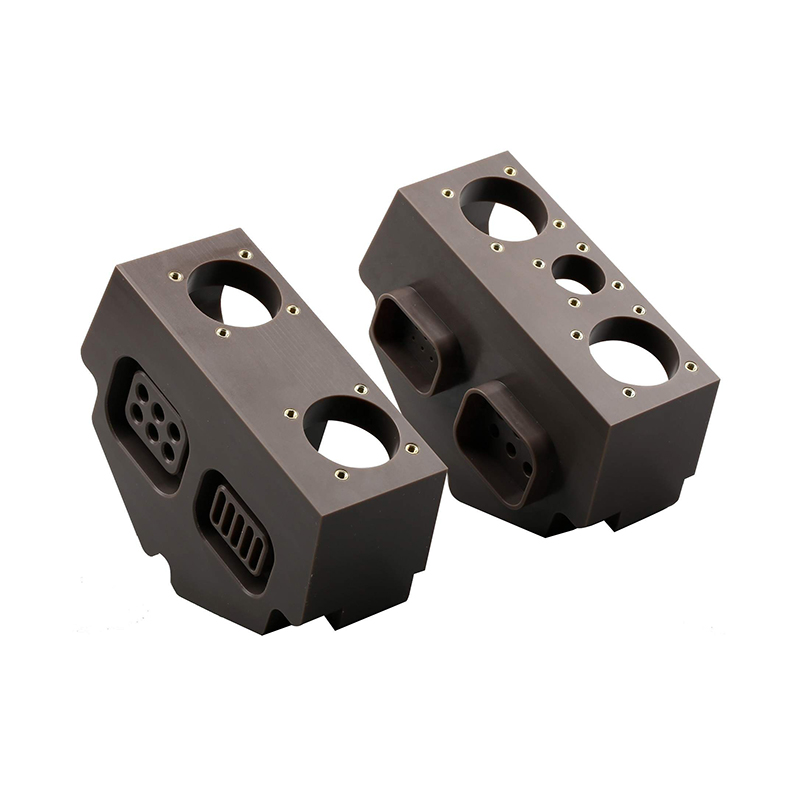


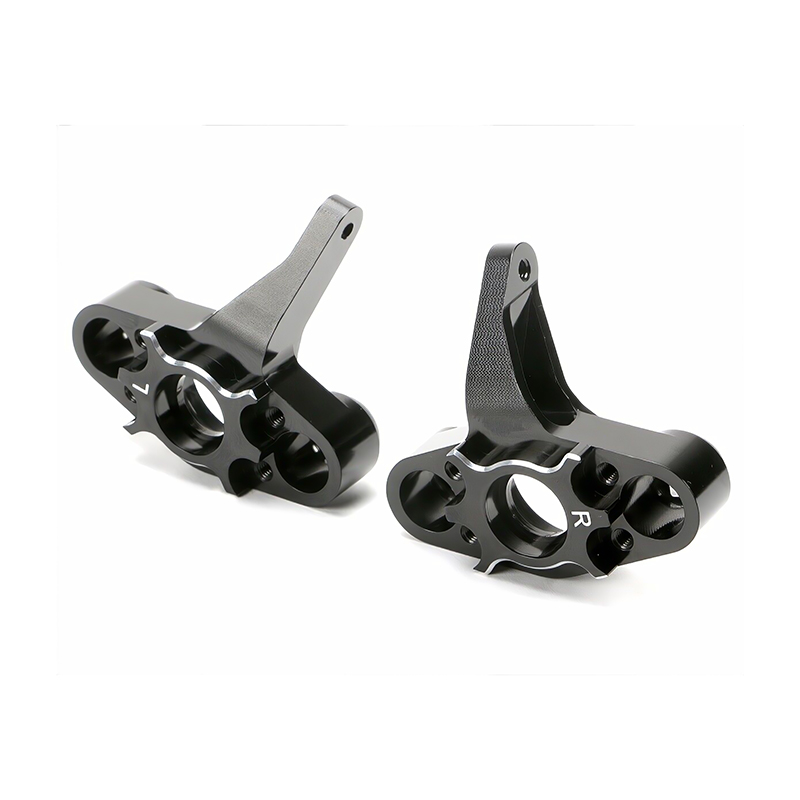

Rapid Prototyping Supplier Dominates
Top Selling Products


- Related Blog
- Reviews

-

Phone
-

E-mail
-

Whatsapp
-

WeChat
Kachi machining

-

Top
