
Custom CNC Machining Regulations: A Guide for China Manufacturers
When it comes to navigating custom CNC machining regulations, we understand the complexities involved, especially for buyers sourcing from China. As a dedicated manufacturer, we prioritize compliance and quality, ensuring that our products meet international standards while catering to your specific needs. Our years of experience in the CNC machining industry have equipped us with the knowledge to help you maneuver through the varying regulations, making your procurement process smoother and hassle-free. We believe building trustworthy partnerships with our clients is essential, and we’re committed to providing you with reliable, precise machining solutions that align with your business goals. Whether you’re looking for a prototype or large-scale production, our team is here to assist you every step of the way, ensuring your project adheres to the latest regulations without compromising on quality. Let’s collaborate to elevate your manufacturing process!
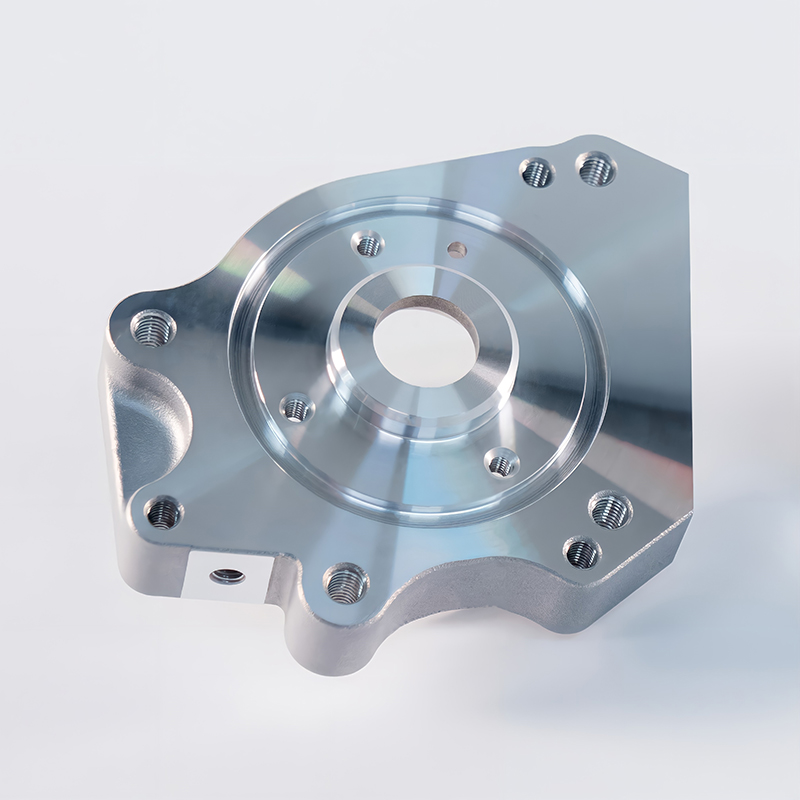
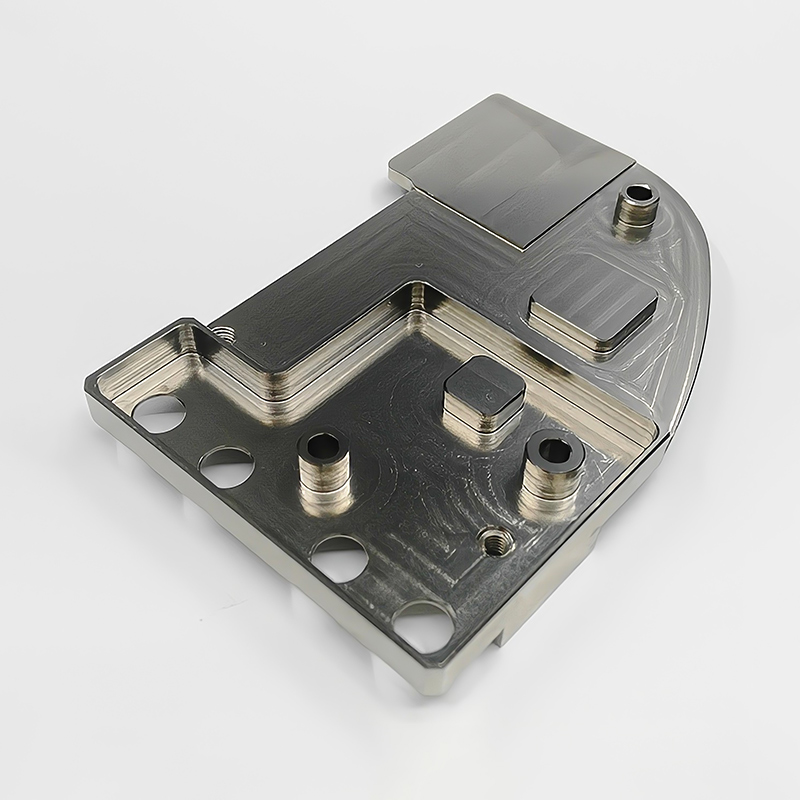
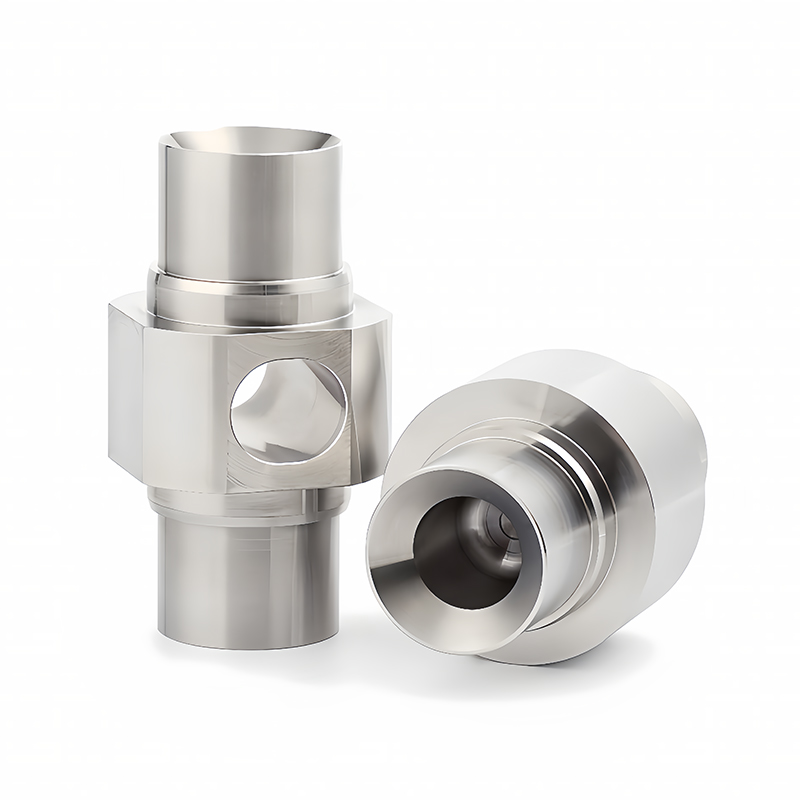
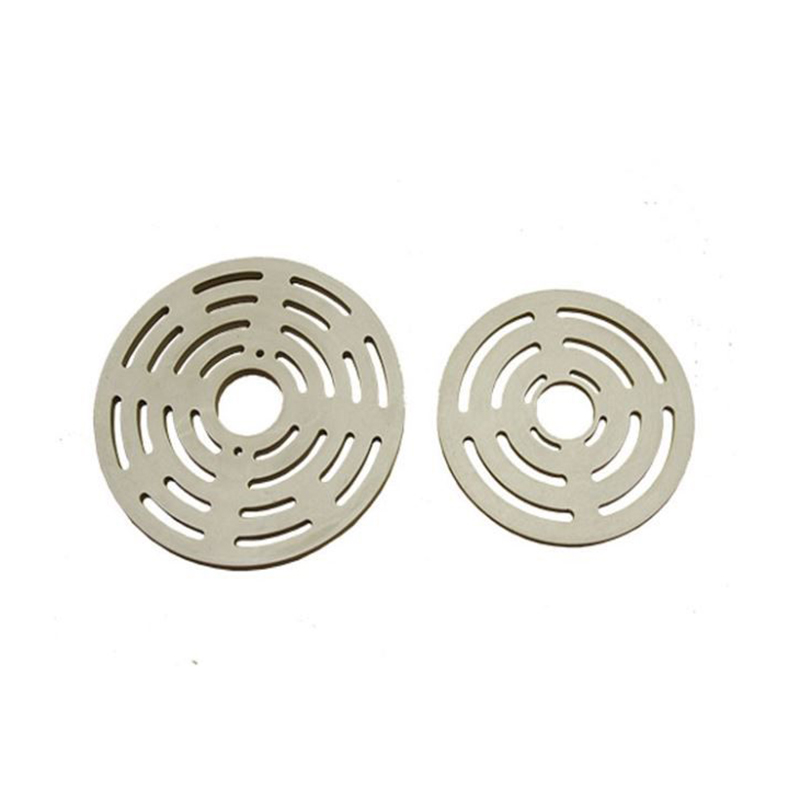
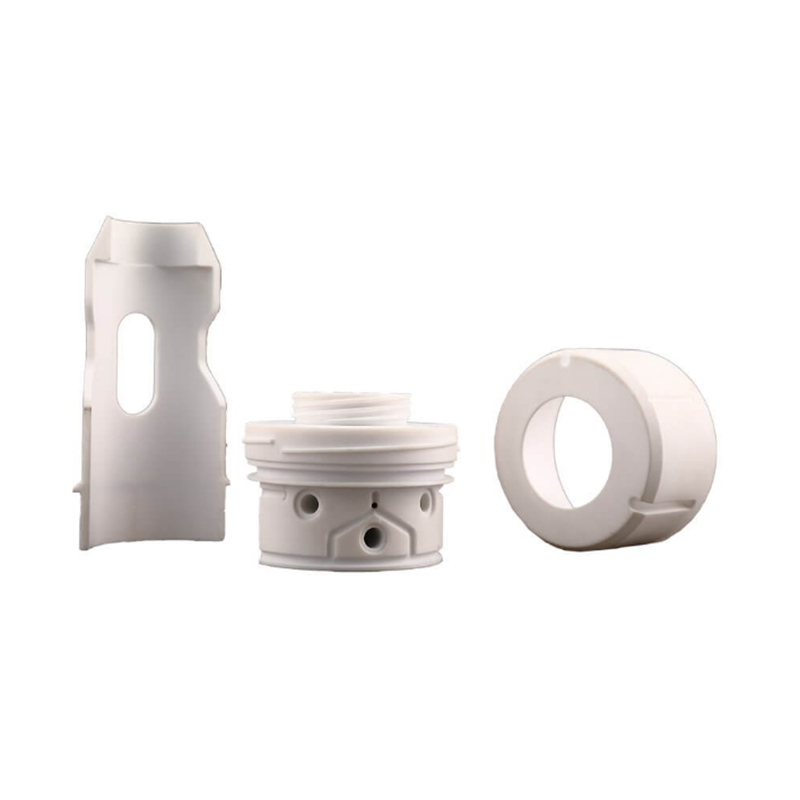
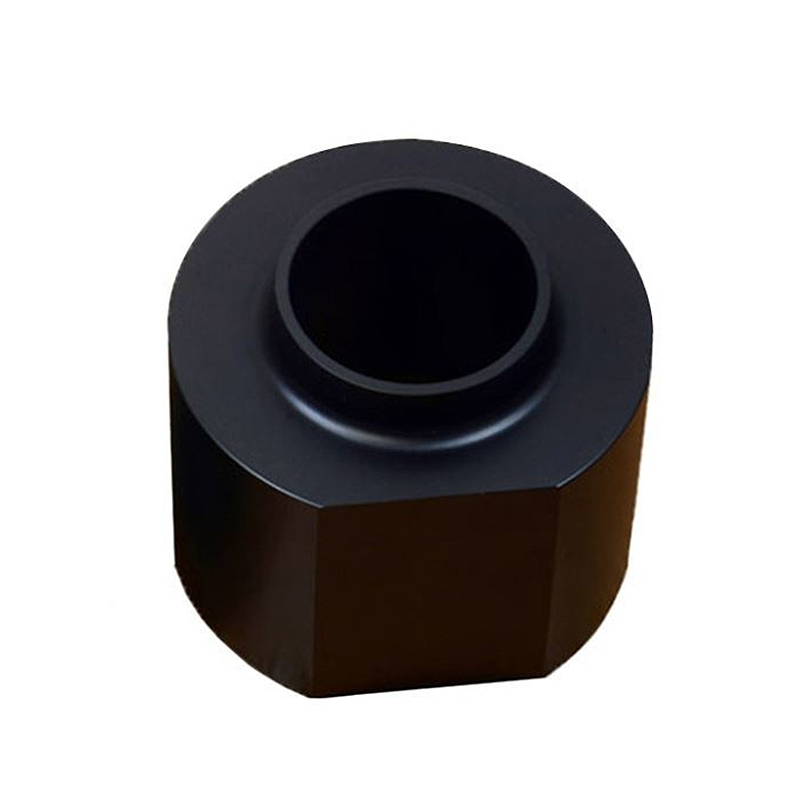
Custom Cnc Machining Regulations Global Reach Outperforms the Competition
In today's competitive landscape, custom CNC machining has emerged as a critical element for manufacturers worldwide seeking precision and efficiency. The regulations surrounding CNC machining can vary greatly by region, yet businesses that adapt to these global standards can significantly outperform their competitors. By understanding and navigating these regulations, manufacturers can enhance their capabilities, optimize workflows, and ensure compliance, which in turn boosts customer satisfaction and trust. Robust global reach is no longer just a benefit; it’s a necessity. Companies that embrace international regulations not only expand their market access but also elevate their production quality. Utilizing advanced technologies and adhering to stringent safety and quality standards can lead to innovative machining solutions, allowing businesses to cater to various industries, including aerospace, automotive, and medical equipment. This versatility positions organizations as leaders in the market, as they can meet diverse client needs effectively. Ultimately, success in the custom CNC machining sector relies on a proactive approach to understanding regulations at both local and international levels. By aligning operational strategies with these regulatory standards, manufacturers stand to increase their competitiveness, ensuring that they remain ahead in a rapidly evolving global market. Embracing such strategies is essential for any company aiming to thrive in today's interconnected economy.
Custom CNC Machining Regulations Global Reach Outperforms the Competition
| Regulation Type | Region | Compliance Rate (%) | Average Lead Time (Days) | Material Types |
|---|---|---|---|---|
| Safety Standards | North America | 95 | 10 | Aluminum, Steel |
| Quality Certification | Europe | 90 | 12 | Titanium, Copper |
| Environmental Regulations | Asia | 85 | 15 | Plastic, Composite |
| Trade Compliance | Australia | 88 | 14 | Steel, Aluminum |
| Industry Certification | South America | 82 | 20 | Copper, Plastic |
Related Products
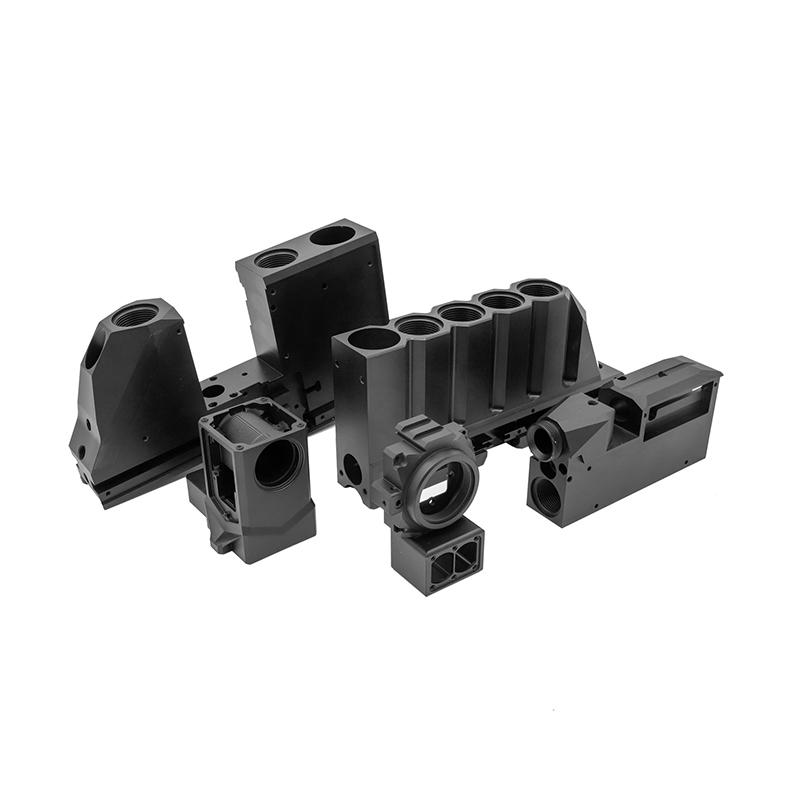
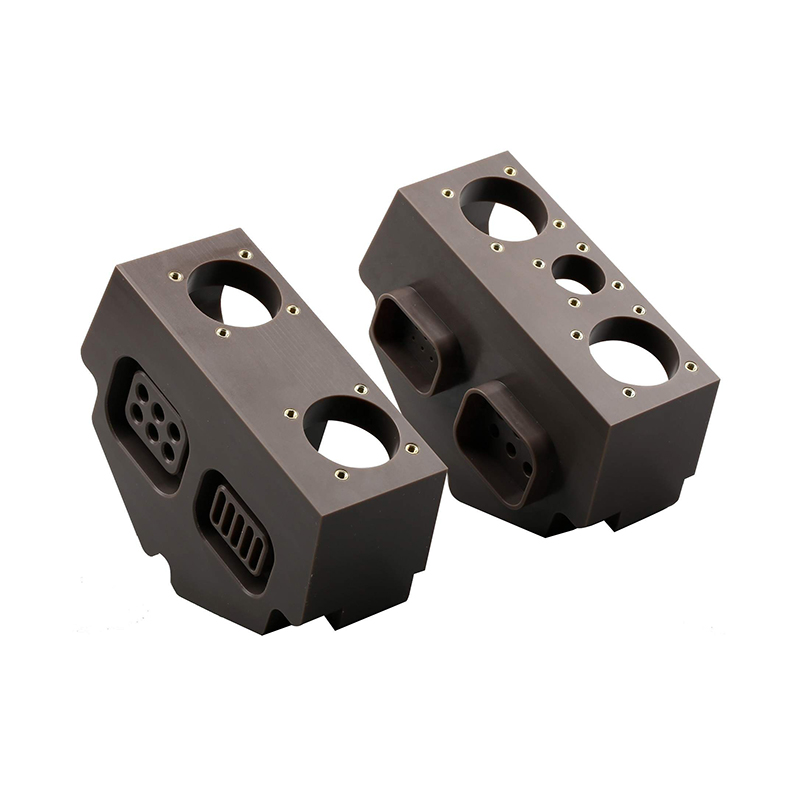


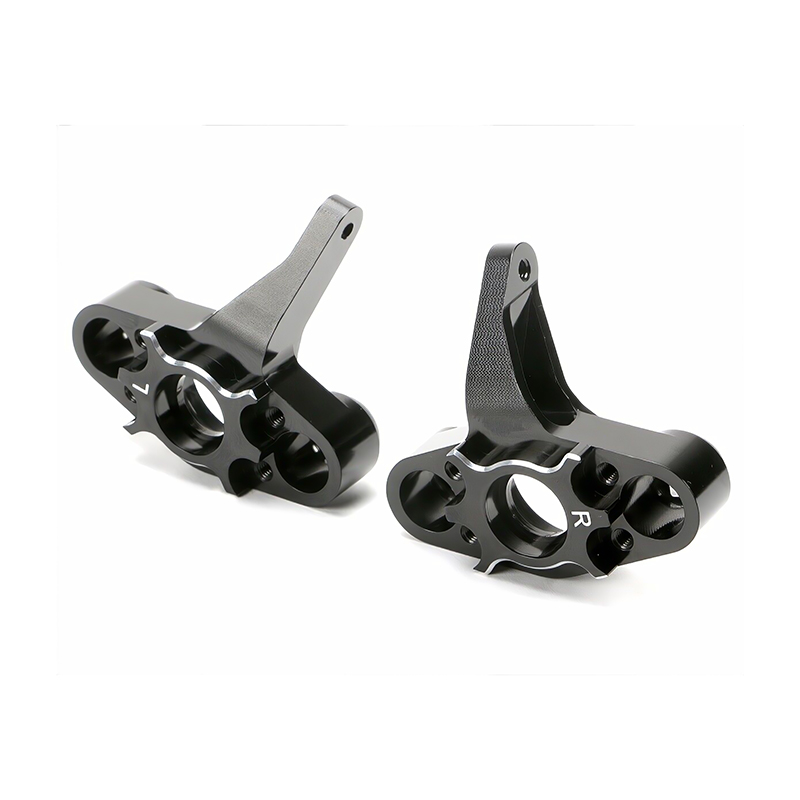

Custom Cnc Machining Regulations Delivers Unmatched Quality Custom Solutions,
Top Selling Products


- Related Blog
- Reviews

-

Phone
-

E-mail
-

Whatsapp
Kachi machining

-

WeChat
Kachi machining

-

Top

