
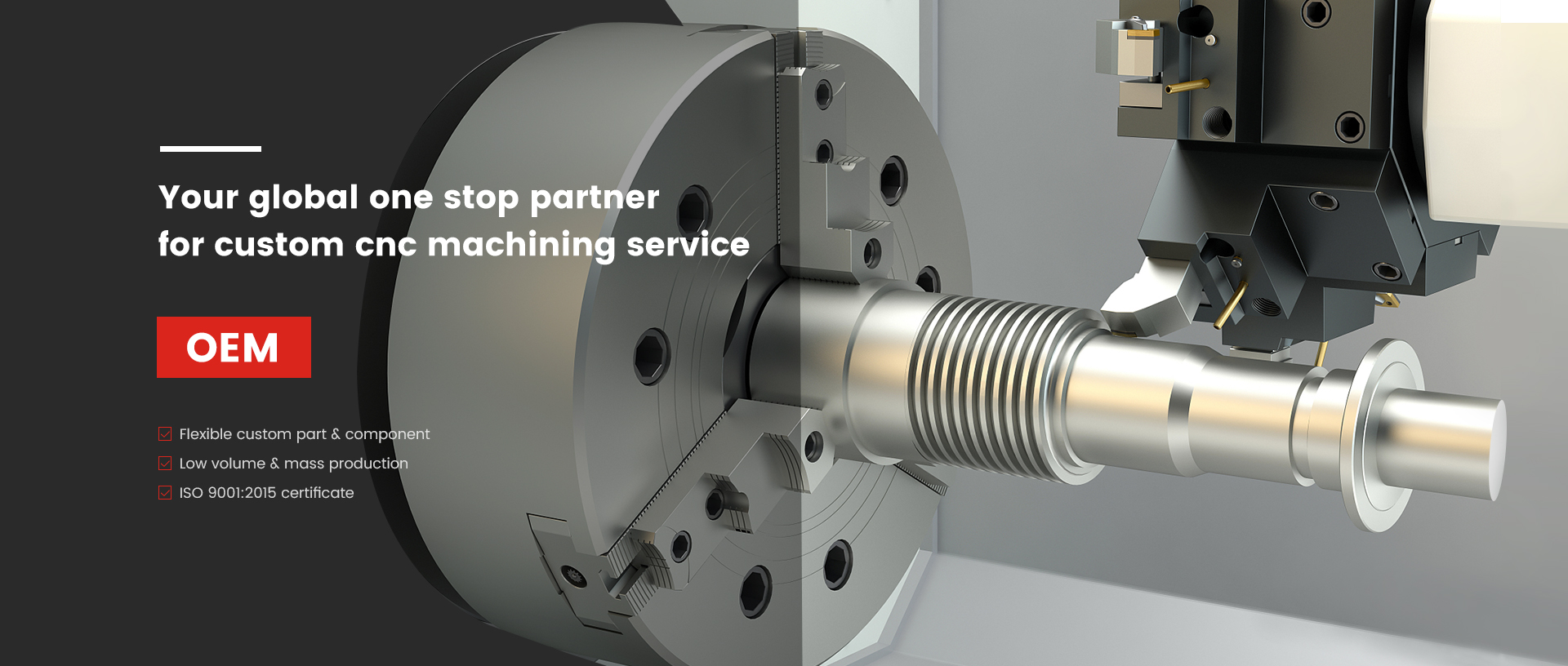
CNC Machining Aerospace: Leading Manufacturer in China for Precision Parts
When it comes to precision in CNC machining aerospace components, I understand the critical nature of every detail. Finding a reliable manufacturer in China who specializes in aerospace parts can be challenging, but I've got you covered. Our state-of-the-art facility utilizes advanced CNC machining techniques to ensure that each component meets the highest standards of quality and accuracy. Whether you need custom prototypes or large-scale production runs, I can adapt to your requirements with flexibility and speed. Trust is key in this industry, and I take pride in building strong relationships with my clients. I am committed to delivering on-time, high-performance aerospace components that meet stringent regulations. If you’re ready to elevate your projects with top-tier CNC machining, let’s collaborate. I’m here to help you navigate your sourcing needs while ensuring exceptional quality at competitive prices.
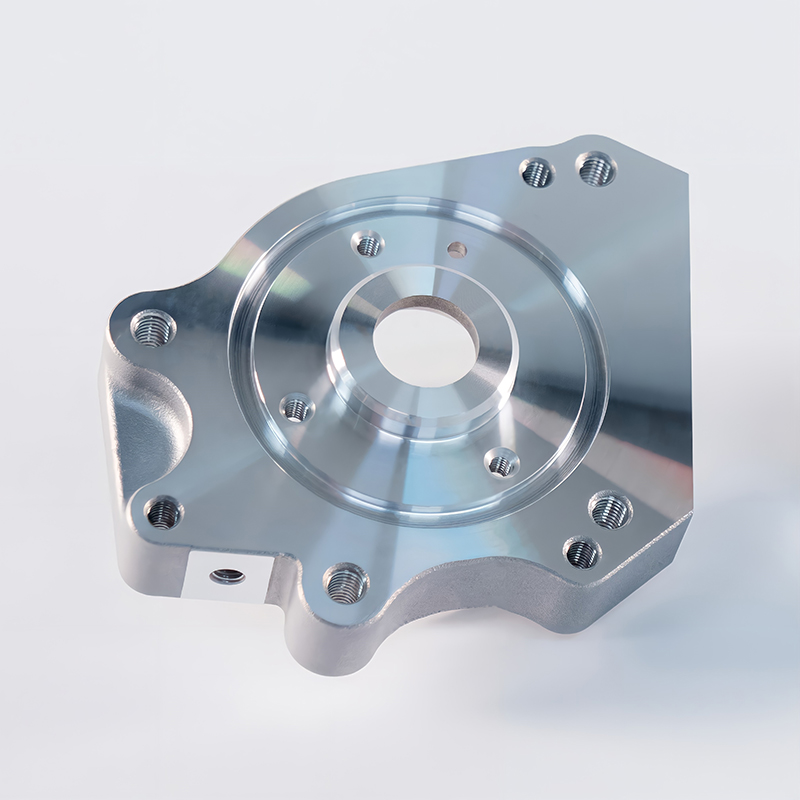
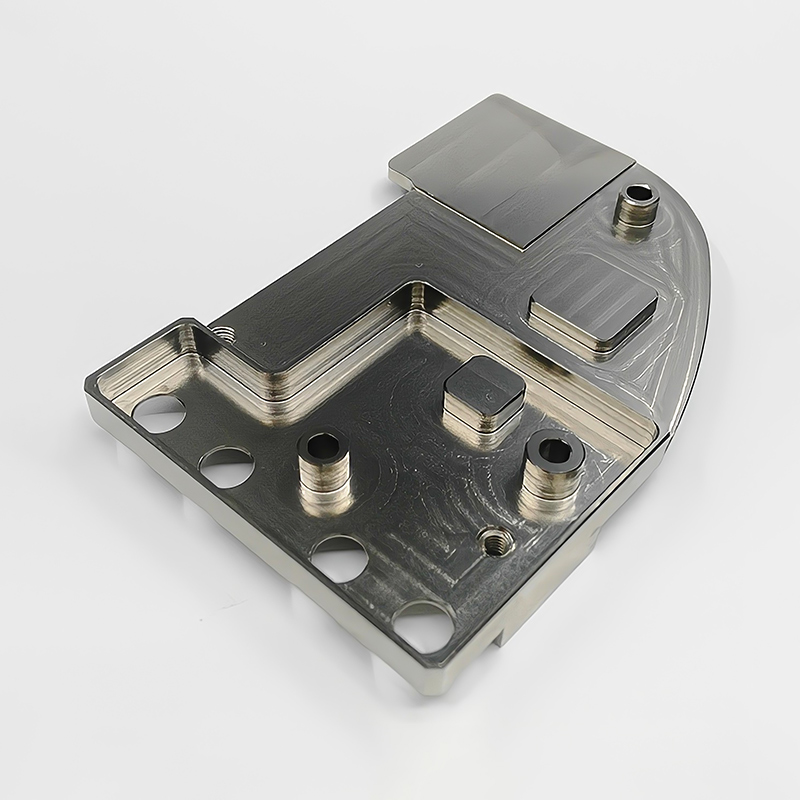
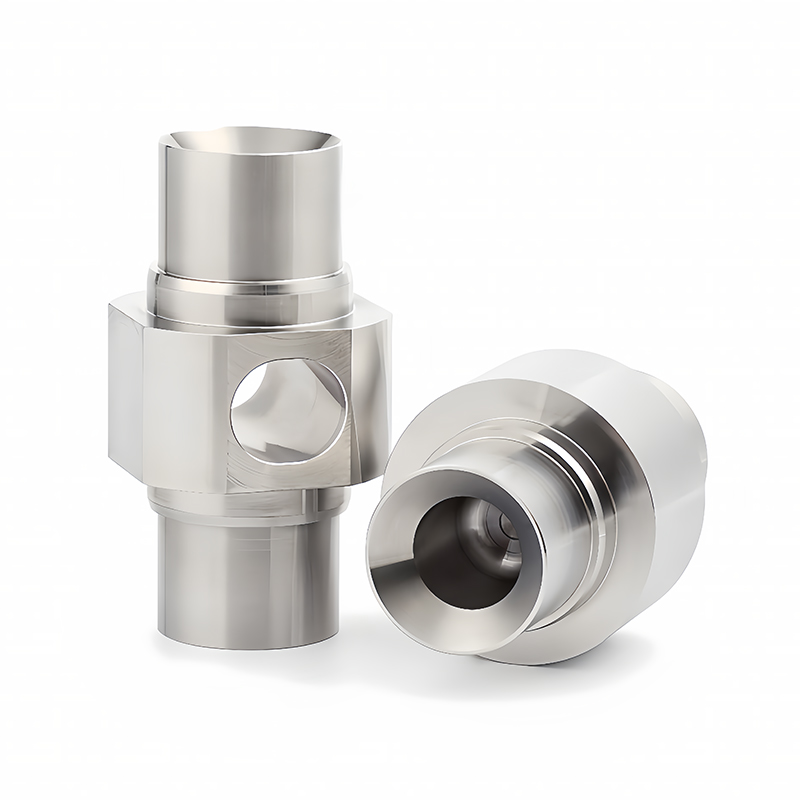
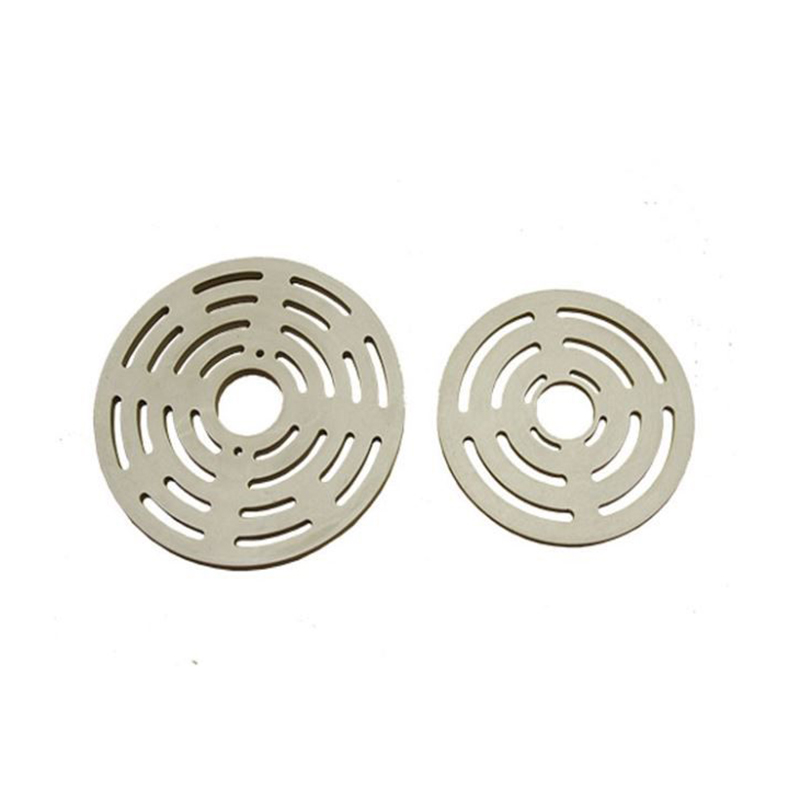
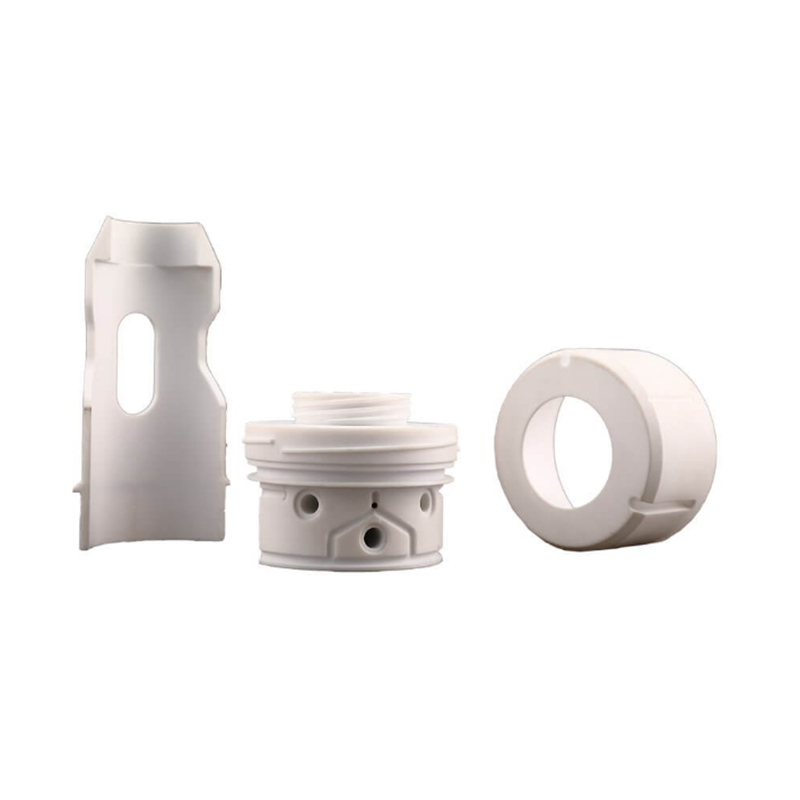
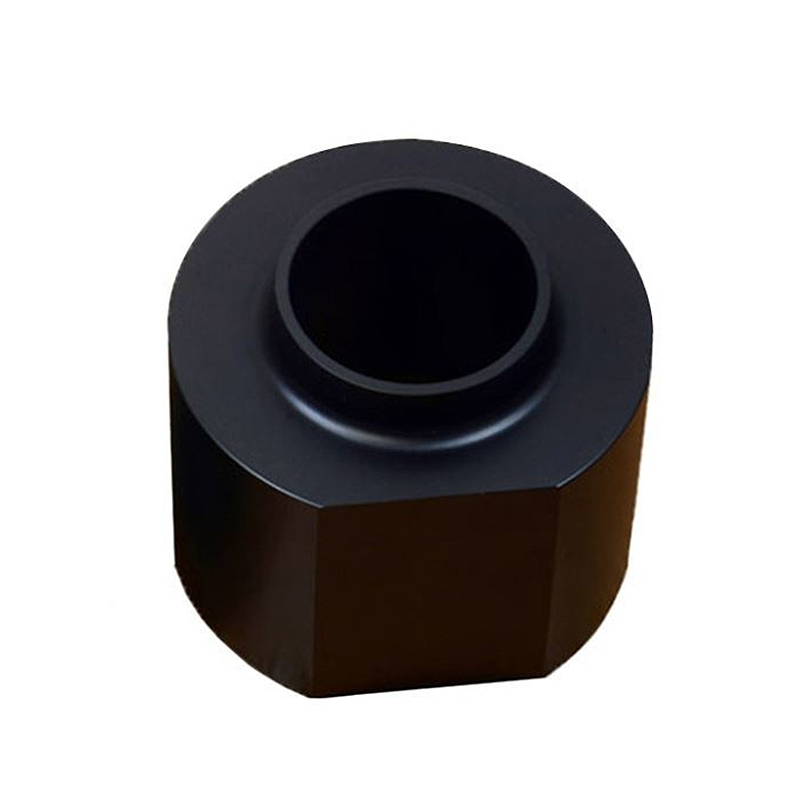
Cnc Machining Aerospace Winning in 2025 Where Innovation Meets 2025
As the aerospace industry continues to evolve, the role of precision machining in shaping the future of aviation and space exploration is becoming increasingly critical. In 2025, innovations in CNC machining will not only streamline production processes but also enhance the quality and efficiency of components used across various aerospace applications. Manufacturers are focused on integrating advanced technologies such as artificial intelligence and automation into their machining operations to meet the growing demand for high-performance and lightweight materials. Collaboration with global suppliers has become essential in navigating the complexities of aerospace manufacturing. By leveraging expertise and resources from around the world, companies can achieve rapid prototyping and scalability, ensuring timely delivery of components tailored to specific design requirements. Furthermore, the adoption of sustainable practices and materials in precision machining aligns with the aerospace sector's commitment to reducing its carbon footprint, making it a vital consideration for procurement professionals. In this landscape, staying ahead of the curve means continuously investing in research and development. Emerging technologies such as additive manufacturing and smart machining will redefine production capabilities, allowing for more intricate designs and greater innovation. As the world moves toward 2025, those who embrace these advancements will not only enhance their competitive edge but also contribute to the overall growth of the aerospace industry, paving the way for safer, more efficient air travel and exploration.
Cnc Machining Aerospace Winning in 2025 Where Innovation Meets 2025
| Dimension | Description | Innovation Impact | Projected Outcome 2025 |
|---|---|---|---|
| Material Efficiency | Optimizing material usage to reduce waste | Reduces costs and environmental impact | 20% reduction in material costs |
| Automation | Incorporating advanced robotics in machining | Increased precision and speed | 30% increase in production efficiency |
| Additive Manufacturing | Implementing 3D printing technologies | Allows for complex geometries | Reduction in assembly complexity |
| Supply Chain Integration | Streamlining parts procurement | Improves lead times and lowers costs | 15% improvement in delivery times |
| Sustainability Practices | Adopting eco-friendly processes | Enhancing brand reputation | 40% reduction in carbon footprint |
Related Products
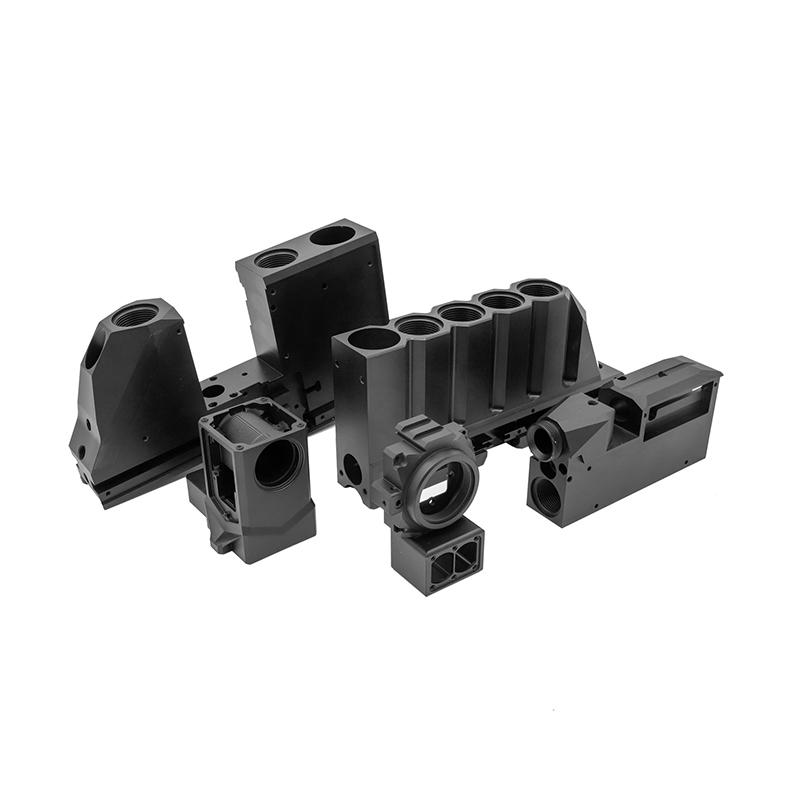
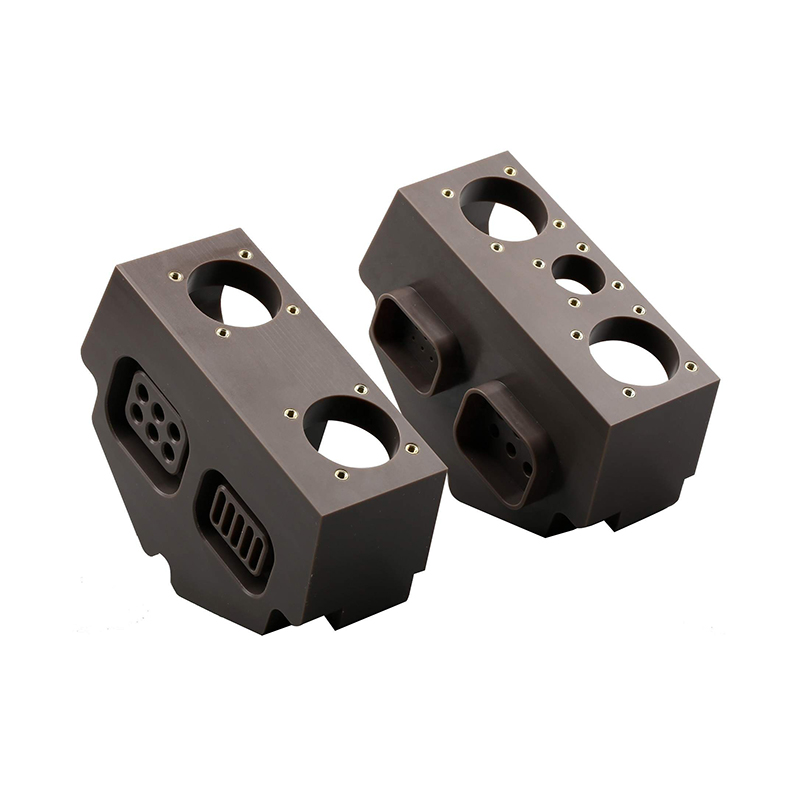


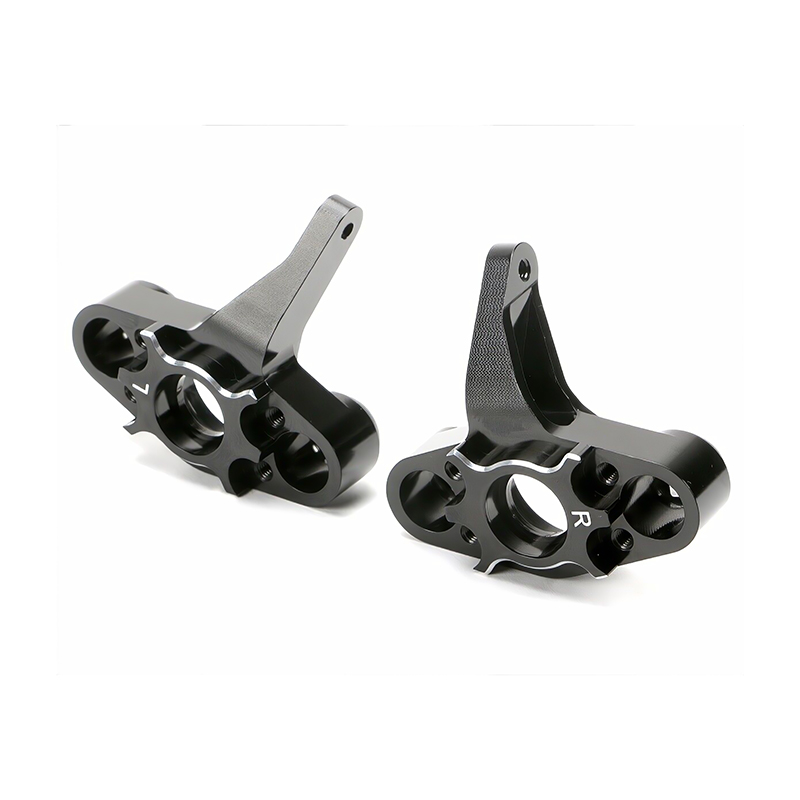

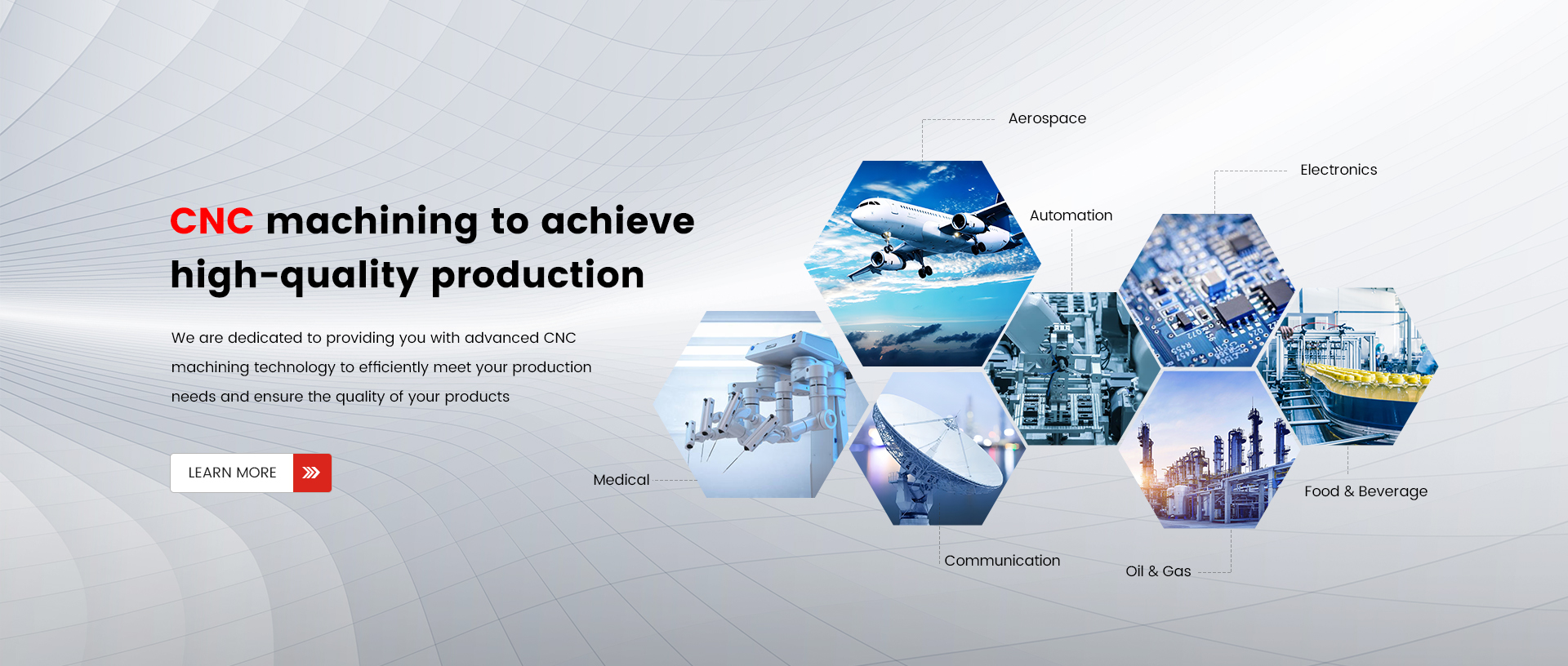
Cnc Machining Aerospace For the Current Year From Concept to Delivery
Top Selling Products


- Related Blog
- Reviews

-

Phone
-

E-mail
-

Whatsapp
-

WeChat
Kachi machining

-

Top
