
Anodising Process in China: Leading Manufacturer Solutions Explained
As a leader in the anodising process, I take great pride in offering high-quality solutions tailored to meet your specific needs. Our state-of-the-art facilities in China ensure that every product receives the attention to detail it deserves. The anodising process not only enhances the durability of materials but also improves their aesthetic appeal, making them perfect for various applications. Partnering with us means you benefit from our extensive experience as a manufacturer committed to excellence. We use environmentally friendly methods that comply with international standards, providing you with reliable and sustainable products. Whether you are in construction, aerospace, or automotive industries, our anodised solutions will elevate your product offerings. I’m here to help you find the right anodising options that align with your business goals. Let’s work together to enhance your product’s performance and visual appeal through our advanced anodising techniques. Reach out today to explore how we can support your manufacturing needs!
Anodising Process Is The Best Now Trending
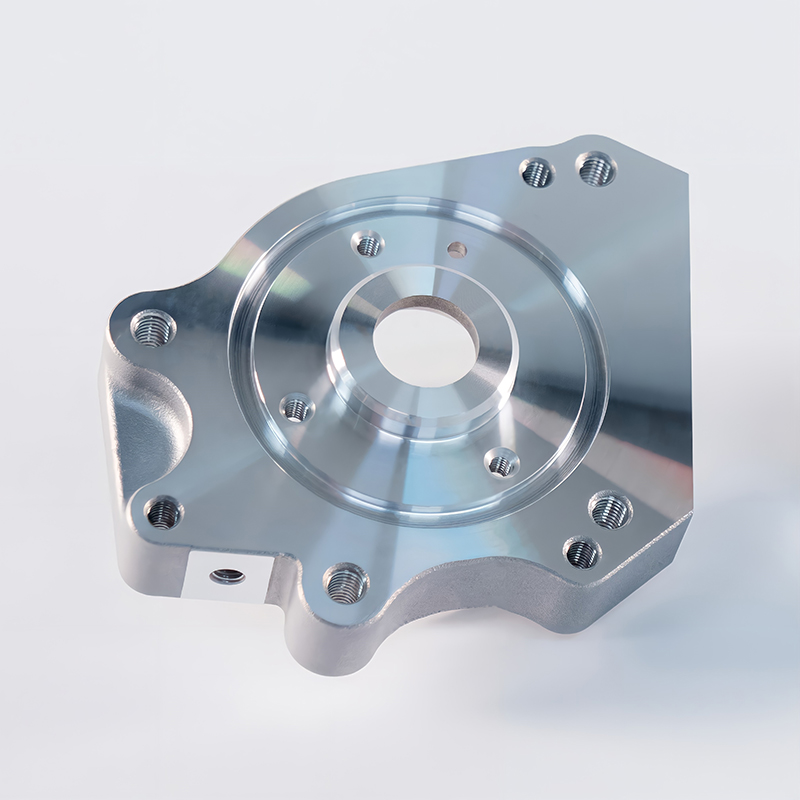
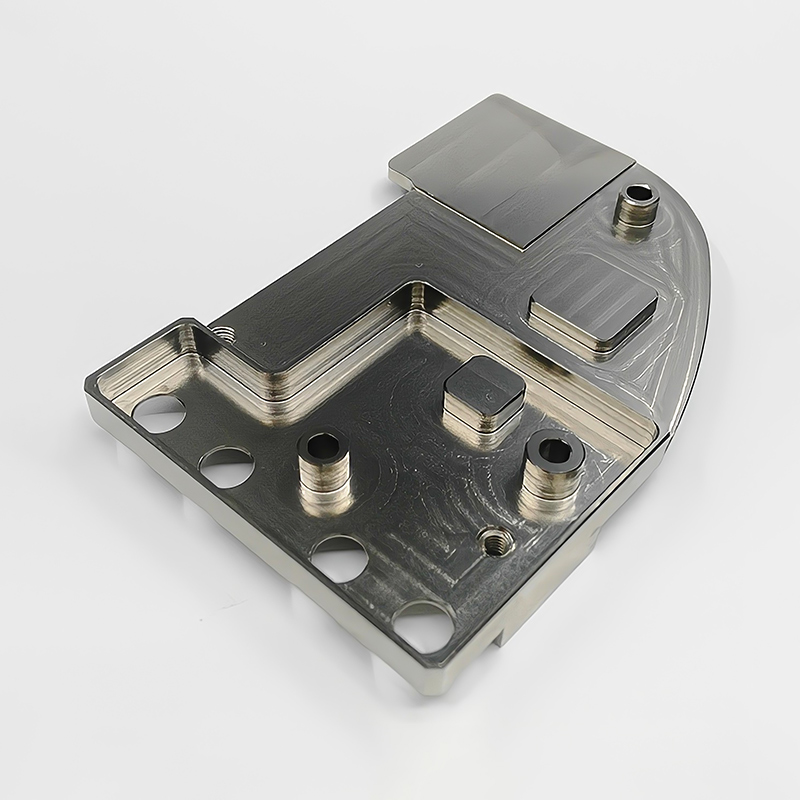
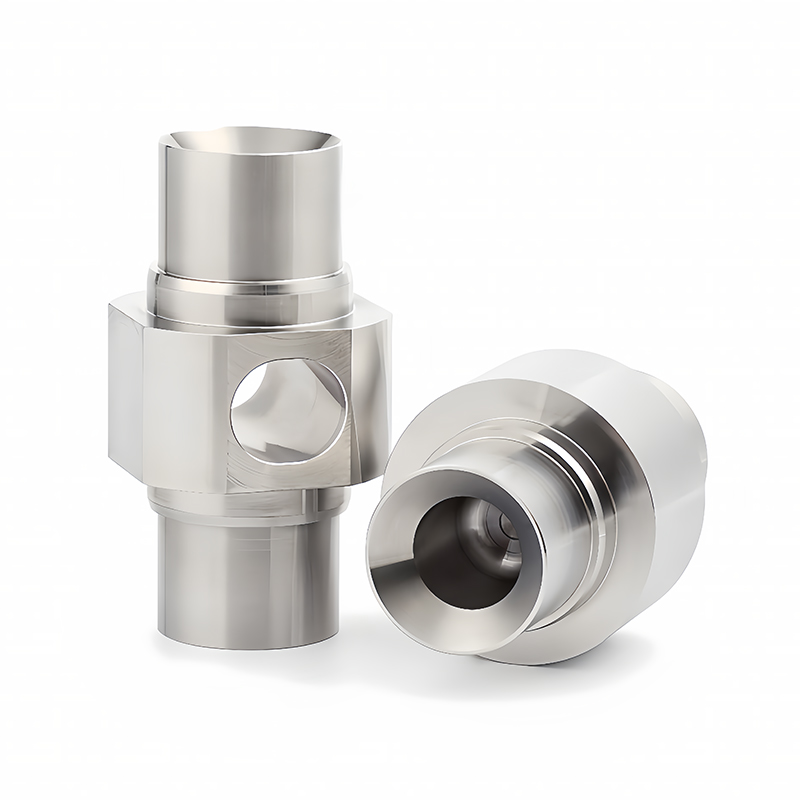
The anodising process has gained significant traction in recent years, emerging as a top choice for manufacturers seeking to enhance the longevity and appearance of their aluminum products. By creating a robust oxide layer on the surface, anodising improves resistance to corrosion and wear, making it an ideal solution for various industrial applications. This method not only boosts durability but also opens up a spectrum of aesthetic possibilities. Available in multiple colors and finishes, anodised products can seamlessly integrate into design specifications, catering to the growing demand for customized solutions. As global procurement trends shift towards sustainable practices, the anodising process stands out for its eco-friendliness. Unlike many coatings that may contain harmful chemicals, anodising is a clean, safe process that minimizes environmental impact. This aspect resonates well with modern manufacturers who prioritize sustainability in their supply chains. Additionally, with the ability to recycle aluminum and its anodised layers, businesses can contribute to a circular economy while offering premium quality products. As the market continues to evolve, the anodising process is positioned to become a standard in various sectors, including automotive, architecture, and consumer goods. By embracing this trend, manufacturers can not only enhance the performance and aesthetic appeal of their products but also align with the global push towards sustainability. Overall, incorporating anodising into production processes is a strategic move for companies aiming to stay competitive in a dynamic marketplace.
Anodising Process Is The Best Now Trending
| Process Type | Benefits | Applications | Environmental Impact | Trends |
|---|---|---|---|---|
| Type I Anodising | Corrosion resistance, electrical insulation | Aerospace, automotive components | Low waste, reusable materials | Increasingly popular in aerospace |
| Type II Anodising | Enhanced durability, color compatibility | Consumer electronics, architectural hardware | Moderate environmental impact, recyclable | Color anodising trends in design |
| Type III Anodising | Ultimate wear resistance, thick oxide layer | Military applications, heavy machinery | Sustainable practices emerging | Adoption in extreme environments |
| Hardcoat Anodising | Prolonged life, strong surface hardness | Industrial applications, military | Eco-friendly options available | Emerging markets in electronics |
Related Products



Anodising Process Service Backed by Expertise Outperforms the Competition
Top Selling Products


- Related Blog
- Reviews

-

Phone
-

E-mail
-

Whatsapp
Kachi machining

-

WeChat
Kachi machining

-

Top

