


Why Material Selection Matters in CNC Machining for Automation
Precision & Tolerance Stability
Materials with different hardness, stiffness, and thermal expansion behave differently under cutting forces. Poor material choice can cause:
- Dimensional drift
- Poor flatness
- Surface chatter
- Out-of-tolerance issues
Automation components—such as robotic joints, precision brackets, sensors housings—require dimensional stability, making material selection crucial.
Production Efficiency & Machining Time
Material machinability directly affects:
- Cutting speed
- Tool wear
- Setup requirements
- Cooling demand
- Surface roughness
Better machinability = lower manufacturing cost + faster CNC cycle time.
Durability & Lifecycle Performance
Automation equipment often operates continuously. Materials must withstand:
- Fatigue
- Corrosion
- Impact
- Environmental exposure
- Cleaning chemicals
Different materials perform differently in each environment.
Aluminum Alloys for CNC Automation Components
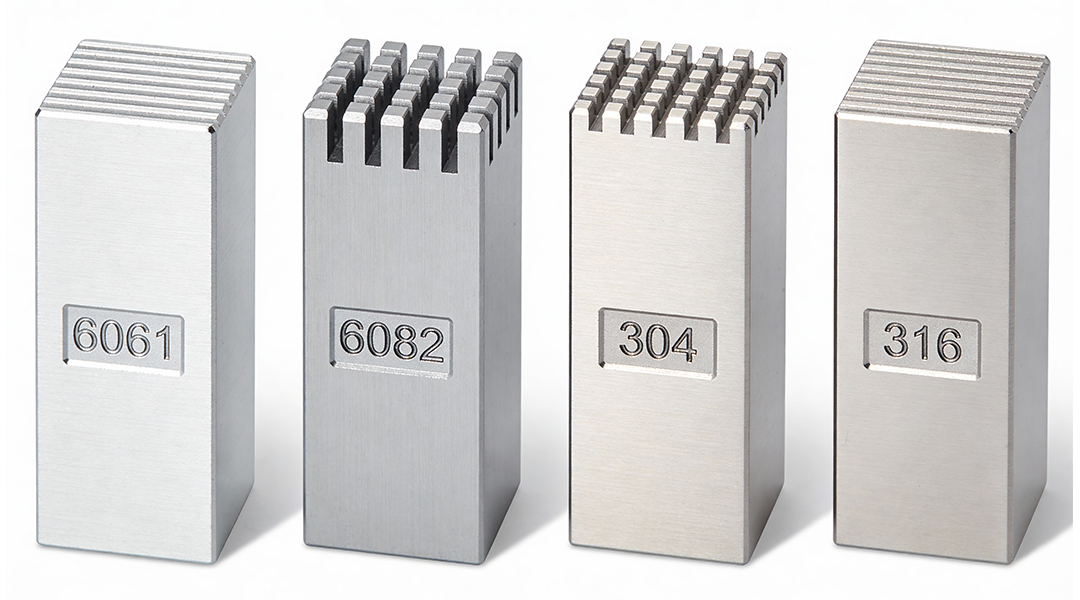
Aluminum is widely used in automation due to its excellent machinability, light weight, and balance of strength vs. cost.
Aluminum 6061 — The Most Versatile CNC Aluminum
Key Properties
- Tensile Strength: ~290 MPa
- Excellent machinability
- Lightweight
- Good corrosion resistance
- Suitable for anodizing
Typical Applications
- Brackets & mounts
- Sensor housings
- Lightweight frames
- Pneumatic system components
Pros
- Very easy to machine
- Low cost
- Stable performance
- Good weldability
Cons
- Lower strength than 6082
- Not ideal for heavy load applications
Aluminum 6082 — Stronger Structural Performance
Key Properties
- Tensile Strength: ~340 MPa (T6)
- Better corrosion resistance than 6061
- Good extrusion capability
- High stiffness
Typical Applications
- Robot arm structures
- Load-bearing frames
- Conveyor parts
- Automation beams
Pros
- Higher strength than 6061
- Excellent mechanical stability
- Good for high-load automation parts
Cons
- Slightly more difficult to machine
- Cost slightly higher
Stainless Steels for CNC Automation Components
Stainless steel is ideal when parts require strength, durability, chemical resistance, and long lifecycle performance.
Stainless Steel 304 — Standard Industrial Choice
Key Properties
- Excellent corrosion resistance
- Good toughness
- Non-magnetic
- Good high-temperature stability
Typical Applications
- Food-grade automation equipment
- Industrial enclosures
- Chemical-resistant components
Pros
- Affordable
- Corrosion resistant for general environments
- Strong and stable
Cons
- Harder to machine than aluminum
- Not suitable for strong chloride environments
Stainless Steel 316 — Marine & Chemical-Grade
Key Properties
- Molybdenum-containing alloy
- Exceptional chloride corrosion resistance
- High durability
- Excellent chemical resistance
Typical Applications
- Marine automation systems
- Chemical processing stations
- Medical robotics
- High-humidity environments
Pros
- Best corrosion resistance among common steels
- Suitable for harsh or wet conditions
Cons
- More expensive
- Higher tool wear
- Longer machining time
Material Comparison Table
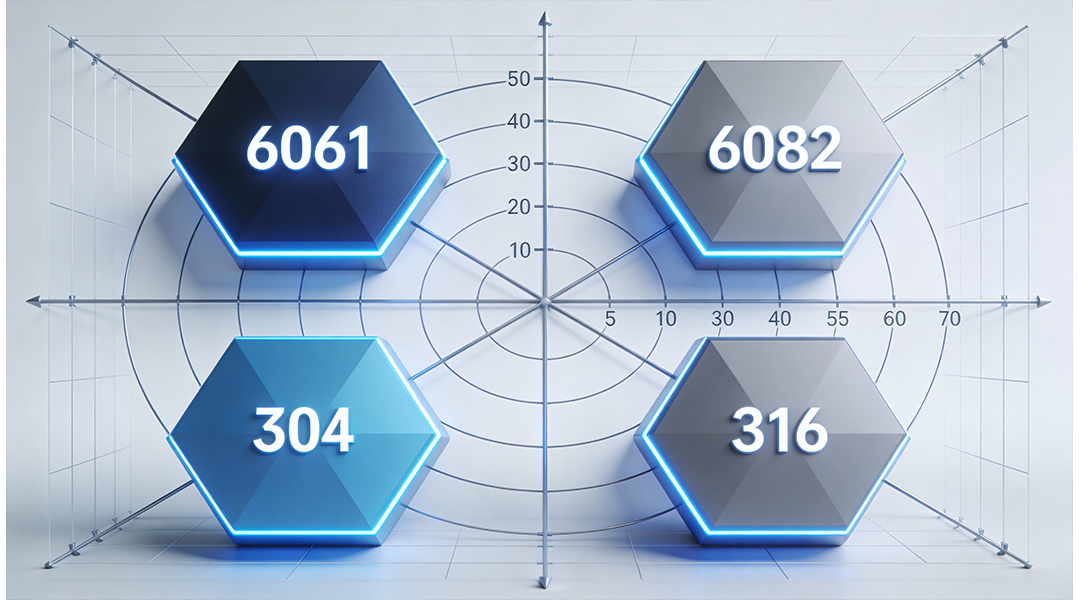
|
Material |
Strength |
Machinability |
Corrosion Resistance |
Cost |
Best For |
|
6061 |
★★★ |
★★★★★ |
★★★★ |
$ |
General automation components |
|
6082 |
★★★★ |
★★★★ |
★★★★ |
$$ |
Load-bearing robotic parts |
|
304 |
★★★★ |
★★★ |
★★★★ |
$$ |
Industrial automation |
|
316 |
★★★★★ |
★★ |
★★★★★ |
$$$ |
Marine/chemical automation |
How to Choose the Right Material for Automation CNC Parts
Based on Strength Requirements
- Light load → 6061
- Medium-to-heavy load → 6082
- High strength + corrosion → 304 / 316
Based on Environment
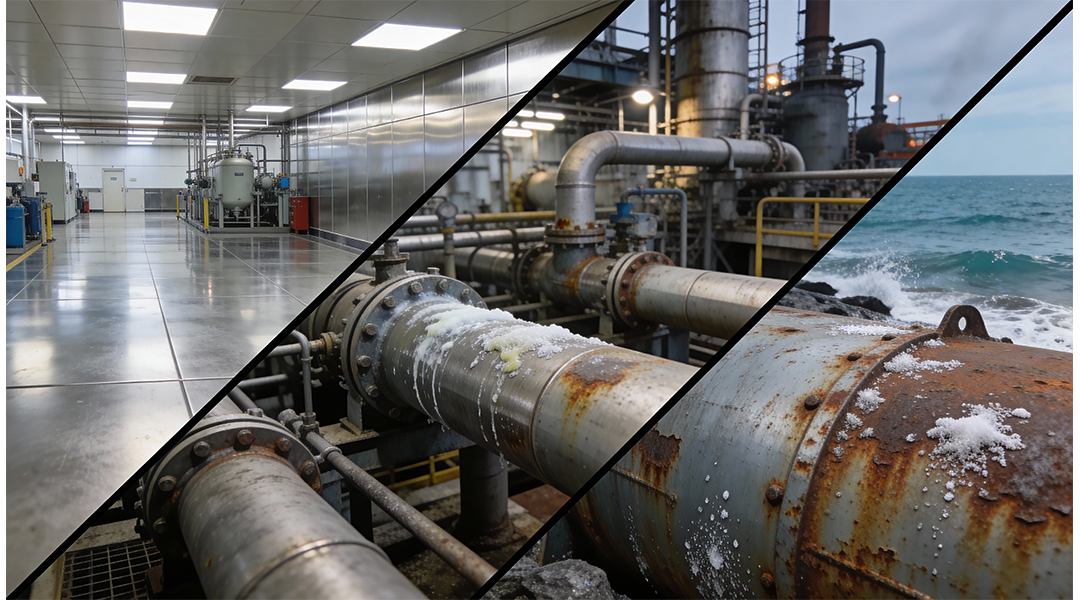
- Indoor, dry → 6061 / 6082
- Industrial chemicals → 304
- Marine / saline / steam → 316
Based on Cost
- Budget projects → 6061
- Long-term durability → 316
Real Use Case Examples
Case 1 — Robotic Arm Structural Components
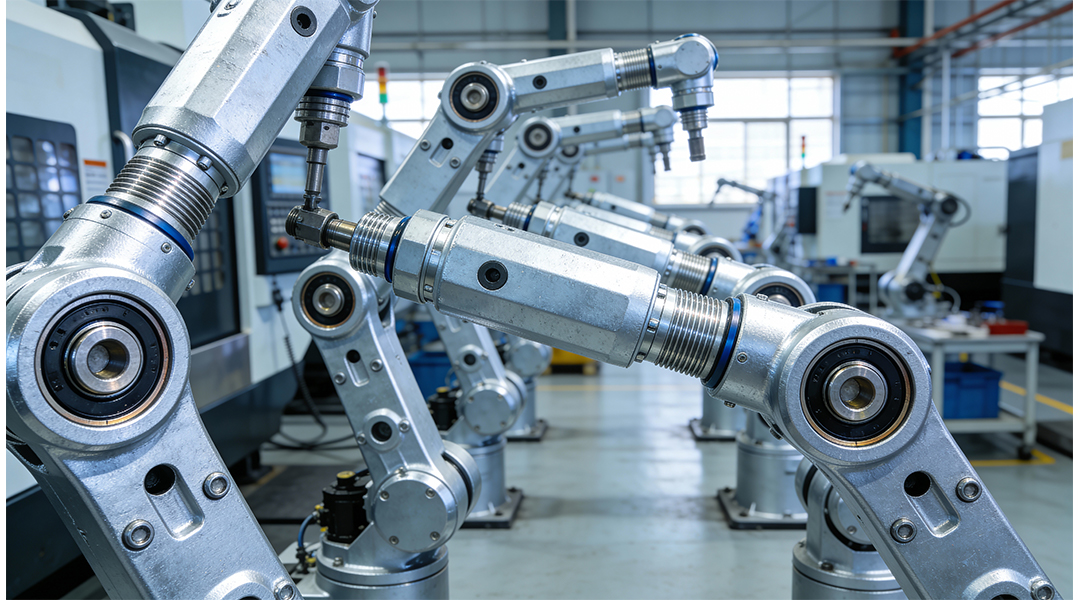
Chosen material: 6082
Reason: High stiffness, excellent strength-to-weight ratio.
Case 2 — Food Automation Conveyor
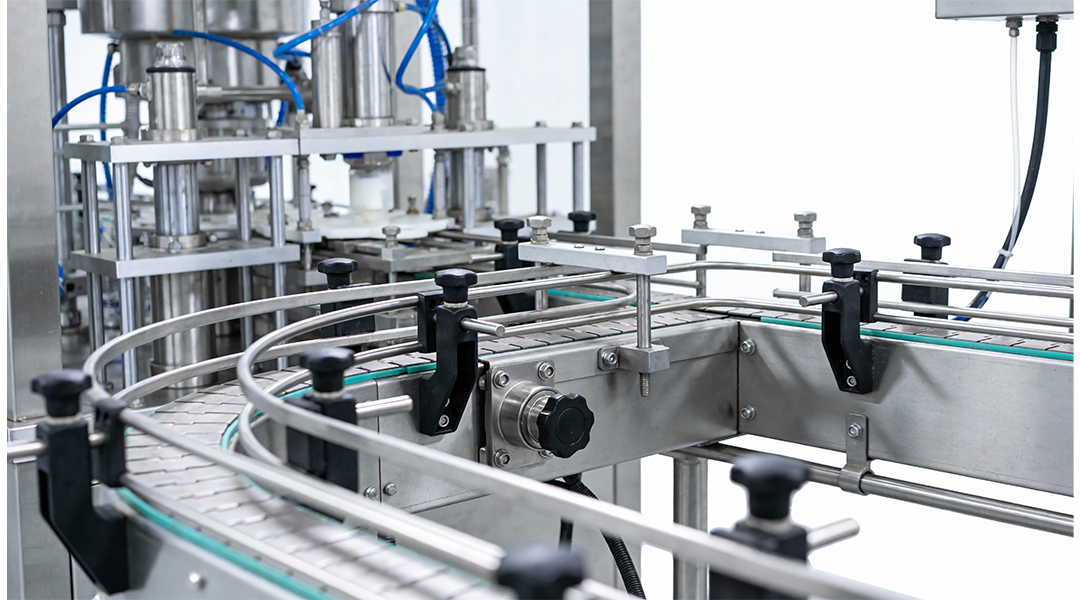
Chosen material: 304
Reason: Cleanability + corrosion resistance
Case 3 — Marine Automation Sensors
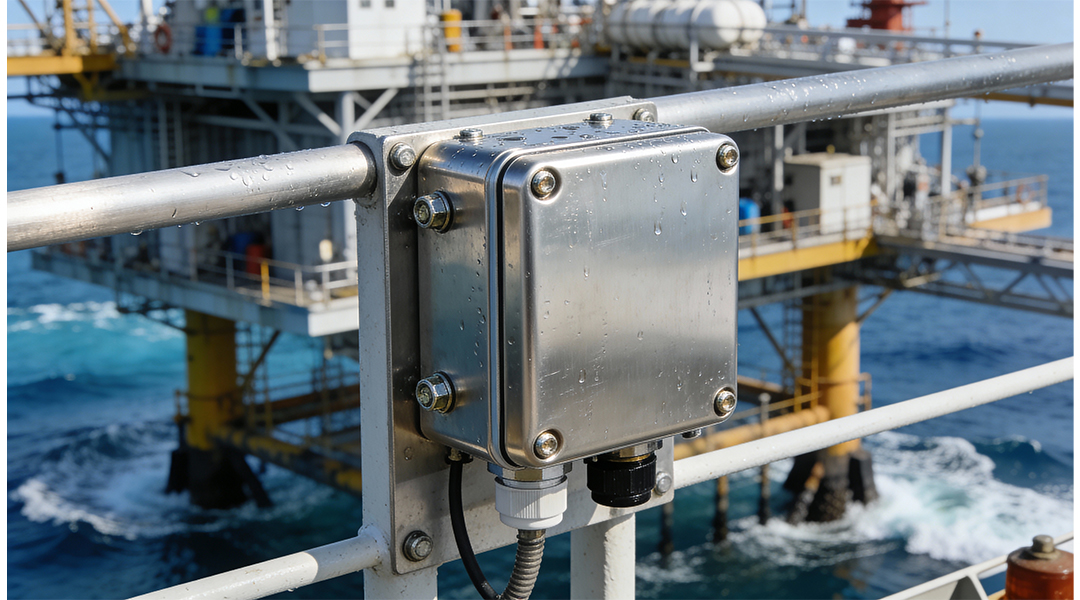
Chosen material: 316
Reason: Superior chloride corrosion resistance.
Tips to Reduce CNC Cost with Material Choice
Optimize Geometry for Machinability
Rounded corners, uniform wall thickness, avoid deep pockets.
Match Tolerances to Function
Over-tight tolerances increase machining cost significantly.
Use the Right Alloy for the Right Job
Choosing unnecessary high-grade material wastes cost.
Conclusion
6061, 6082, 304, and 316 are four of the most important CNC materials for automation systems. Each material has unique advantages—and choosing the right one depends on load requirements, environment, machining efficiency, and cost expectations.
A smart material choice significantly improves part durability, performance, and lifecycle value for any automation system.
Post time: Dec-17-2025


