

Why Cheap CNC Machining Can Cost You More (2026 Guide)
If you’ve ever sourced CNC machining parts, you’ve likely seen this:
Multiple suppliers quote the same part—but prices vary significantly.
The natural reaction is to choose the lowest quote.
After all, the part looks the same on paper.
But in real production, this decision often leads to:
- inconsistent quality
- delayed delivery
- unexpected additional costs
The truth is:
Cheap CNC machining is rarely cheap in the long run.
In this guide, we’ll break down why low-cost CNC quotes can become expensive—and how experienced engineers and buyers actually evaluate cost.
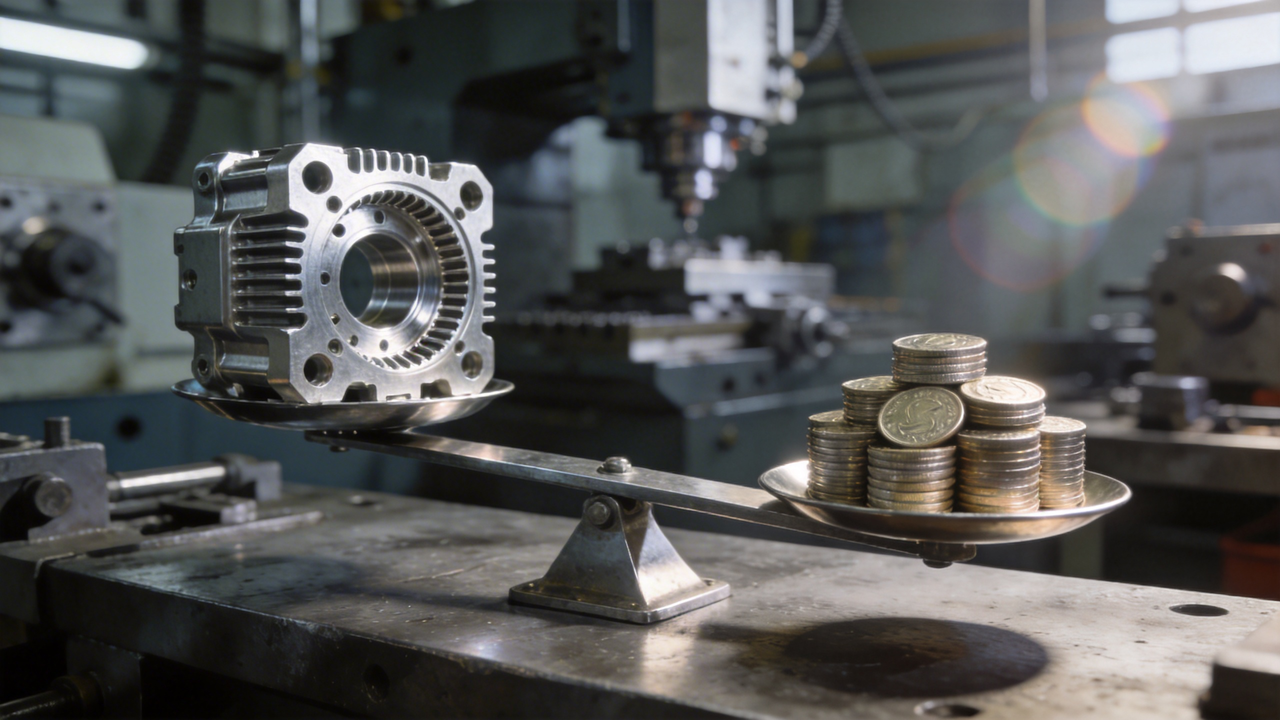
Why Cheap CNC Quotes Look Attractive (But Misleading)
Low quotes are appealing for one simple reason:
They reduce upfront cost.
But CNC machining is not a commodity product.
It’s a process that depends heavily on:
- machining strategy
- operator skill
- equipment capability
- quality control
Two suppliers can quote the same drawing—but produce very different results.
A lower price usually reflects what is NOT included, not efficiency.
The Hidden Costs Behind Cheap CNC Machining
This is where most buyers get caught.
1. Inconsistent Tolerance Control
Low-cost suppliers often lack the capability or discipline to maintain tight tolerances consistently.
This leads to:
- parts that don’t fit
- assembly issues
- functional failures
Even small deviations can cause major downstream problems.
2. Poor Surface Finish and Cosmetic Defects
To reduce cost, some suppliers:
- increase cutting speed beyond optimal levels
- skip finishing steps
The result:
- rough surfaces
- visible tool marks
- poor appearance
For industries like medical, robotics, or electronics, this is unacceptable.
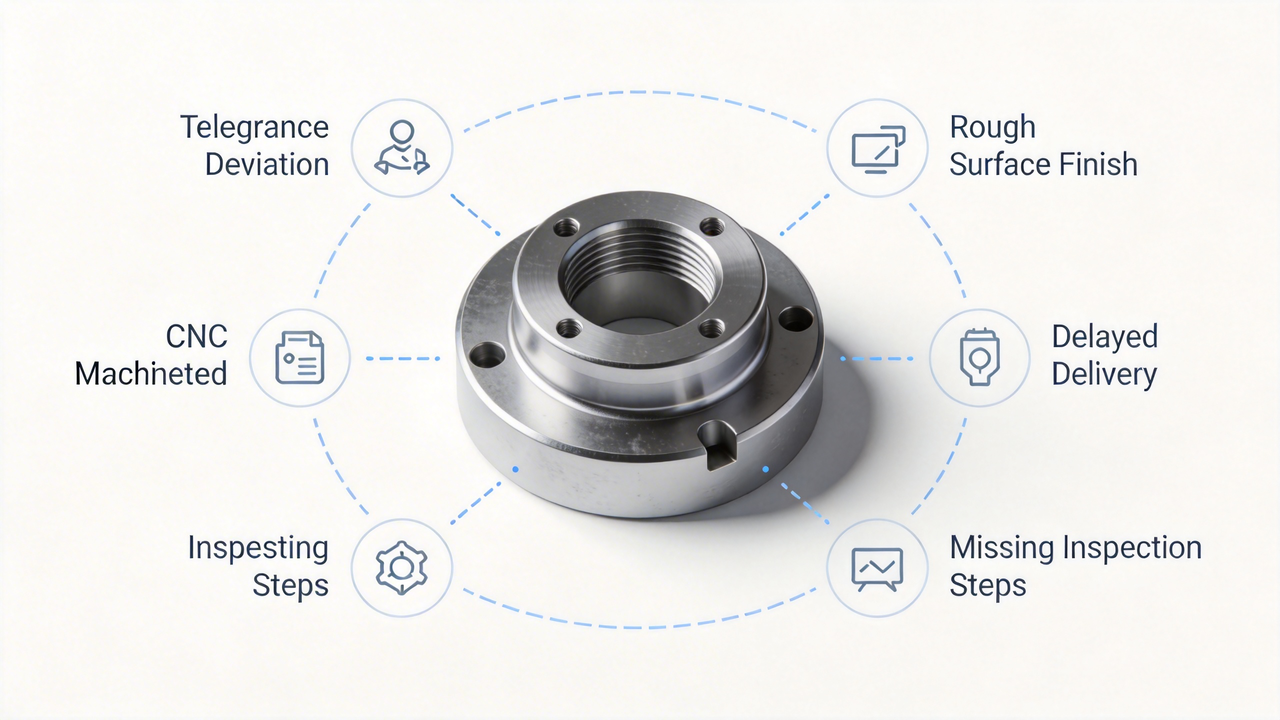
3. Unstable Lead Time
A low quote often comes with an aggressive lead time—but not necessarily a reliable one.
Common issues:
- overbooked production
- lack of scheduling control
- unexpected delays
Late delivery can disrupt entire production schedules.
4. Lack of Quality Control System
Professional CNC machining requires structured inspection:
- IQC (Incoming Quality Control)
- IPQC (In-Process Quality Control)
- OQC (Outgoing Quality Control)
Low-cost suppliers may skip or simplify these steps.
This increases defect risk significantly.
5. Rework and Scrap Costs
Poor quality leads to:
- rejected parts
- re-machining
- redesign
These costs are rarely included in the initial quote—but they add up quickly.
Where Cheap CNC Suppliers Cut Corners
Understanding this helps you evaluate quotes more effectively.
1. Machining Time Assumptions
They may underestimate machining time to offer a lower price.
Result: rushed production and quality issues.
2. Tooling and Setup
Skipping proper setup or using worn tools reduces cost—but impacts accuracy.
3. Inspection and Documentation
Inspection reports and certifications may be incomplete or unavailable.
This is a major risk for high-precision industries.
4. Material Substitution
In some cases, lower-cost suppliers may use alternative material grades or lack traceability.
This can lead to performance failure.
Real Cost Comparison: Cheap vs Reliable CNC Supplier
Let’s compare two typical scenarios:
Supplier A (Low Price)
- Minimal communication
- No DFM feedback
- Limited inspection
Supplier B (Professional Supplier)
- Provides engineering suggestions
- Identifies potential risks
- Ensures quality consistency
Outcome
- Supplier A → rework + delays
- Supplier B → stable production + predictable cost
The cheapest quote often leads to the highest total cost.
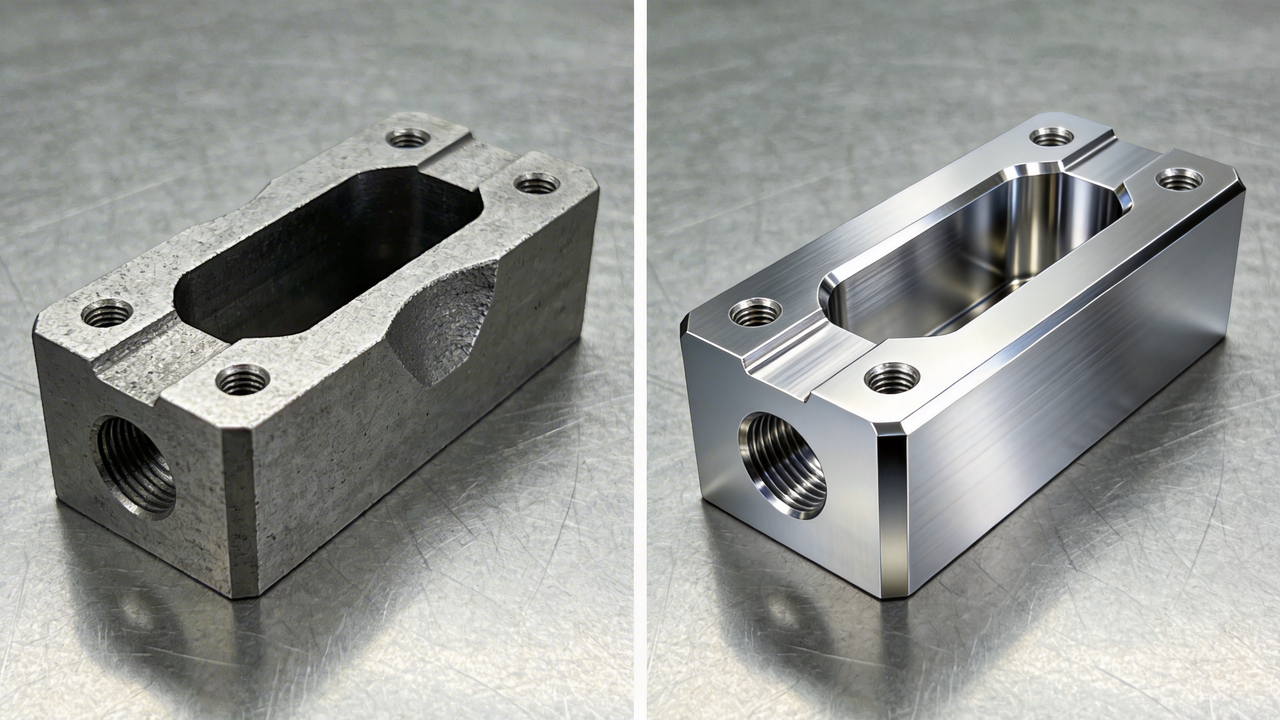
How Engineers and Buyers Evaluate CNC Quotes
Experienced engineers don’t ask:
“Which supplier is cheapest?”
They ask:
- Can this supplier maintain required tolerances?
- Is the machining strategy realistic?
- Are risks identified and addressed?
- Is the lead time achievable?
Cost is evaluated together with risk and reliability.
When Cheap CNC Machining Actually Makes Sense
Not all low-cost machining is bad.
It can work when:
- tolerances are loose
- part function is non-critical
- volume is low risk
The key is understanding application requirements.
How to Avoid Costly Mistakes When Choosing a Supplier
1. Compare More Than Price
Look at capability, communication, and experience.
2. Ask for Technical Feedback
A good supplier should review your design and suggest improvements.
3. Evaluate Quality System
Check inspection process, certifications, and consistency.
4. Consider Long-Term Cost
Think beyond the first order.
Stable suppliers reduce total cost over time.
Conclusion
Cheap CNC machining is not inherently bad—but it becomes expensive when it introduces risk.
The real cost of CNC machining includes quality, reliability, and predictability—not just price.
The smartest decision is not choosing the lowest quote, but choosing the supplier that delivers consistent value.
CTA
At Kachi Precision Manufacturing, we’ve seen many projects where the initial low-cost choice led to higher overall expense.
That’s why we focus on:
- realistic quoting
- engineering feedback
- consistent quality control
If you’re comparing CNC machining quotes or unsure about a supplier’s capability, feel free to share your drawings.
A second opinion can often prevent costly mistakes.
Post time: Apr-09-2026


