

DFM Guidelines for CNC Machining: How to Avoid Costly Redesigns in 2026
In CNC machining, most costly production failures originate from design-stage decisions.
Applying structured Design for Manufacturability (DFM) principles ensures parts are optimized for machining efficiency, cost control, and scalability.
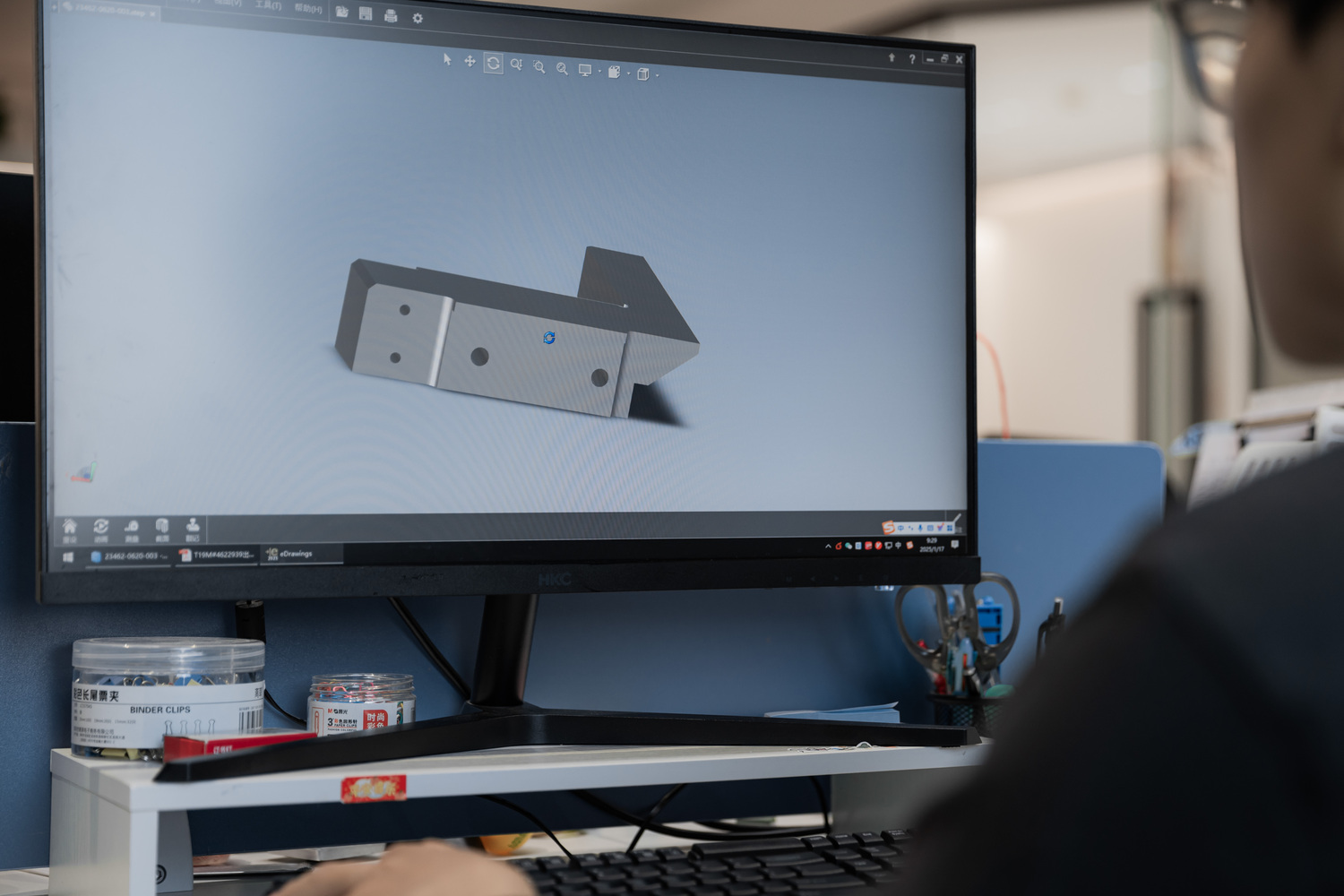
What Is DFM in CNC Machining?
Design for Manufacturability (DFM) ensures part geometry aligns with machining capability.
It minimizes complex setups, over-specified tolerances, unnecessary secondary operations, and revision cycles.
Why DFM Directly Impacts Cost and Lead Time
Redesign Multiplies Project Cost
Late-stage design corrections can increase total project cost by 25–40% due to engineering changes, tooling adjustments, and delayed schedules.
DFM Improves Quotation Accuracy
Clear, machinable designs reduce ambiguity, enabling more stable pricing and predictable delivery timelines.
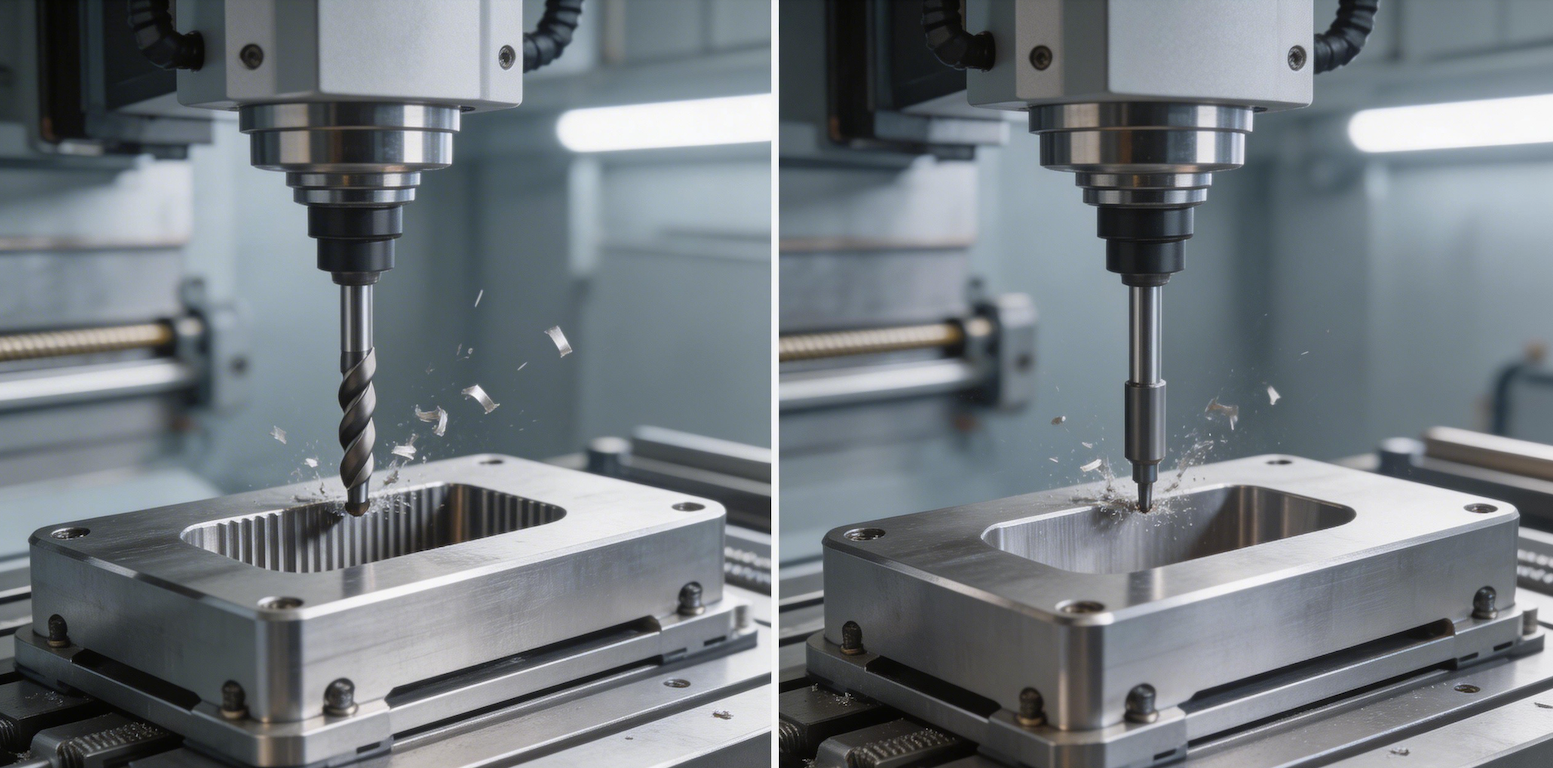
Core DFM Guidelines for CNC Machining
1. Optimize Feature Geometry
- Keep pocket depth ≤ 3× pocket width
- Avoid ultra-narrow slots below tool capacity
- Use standard internal radii compatible with end mills
2. Rationalize Tolerances
- Apply tight tolerances only where functionally critical
- Use standard tolerances for non-critical features
- Avoid over-specification that increases inspection cost

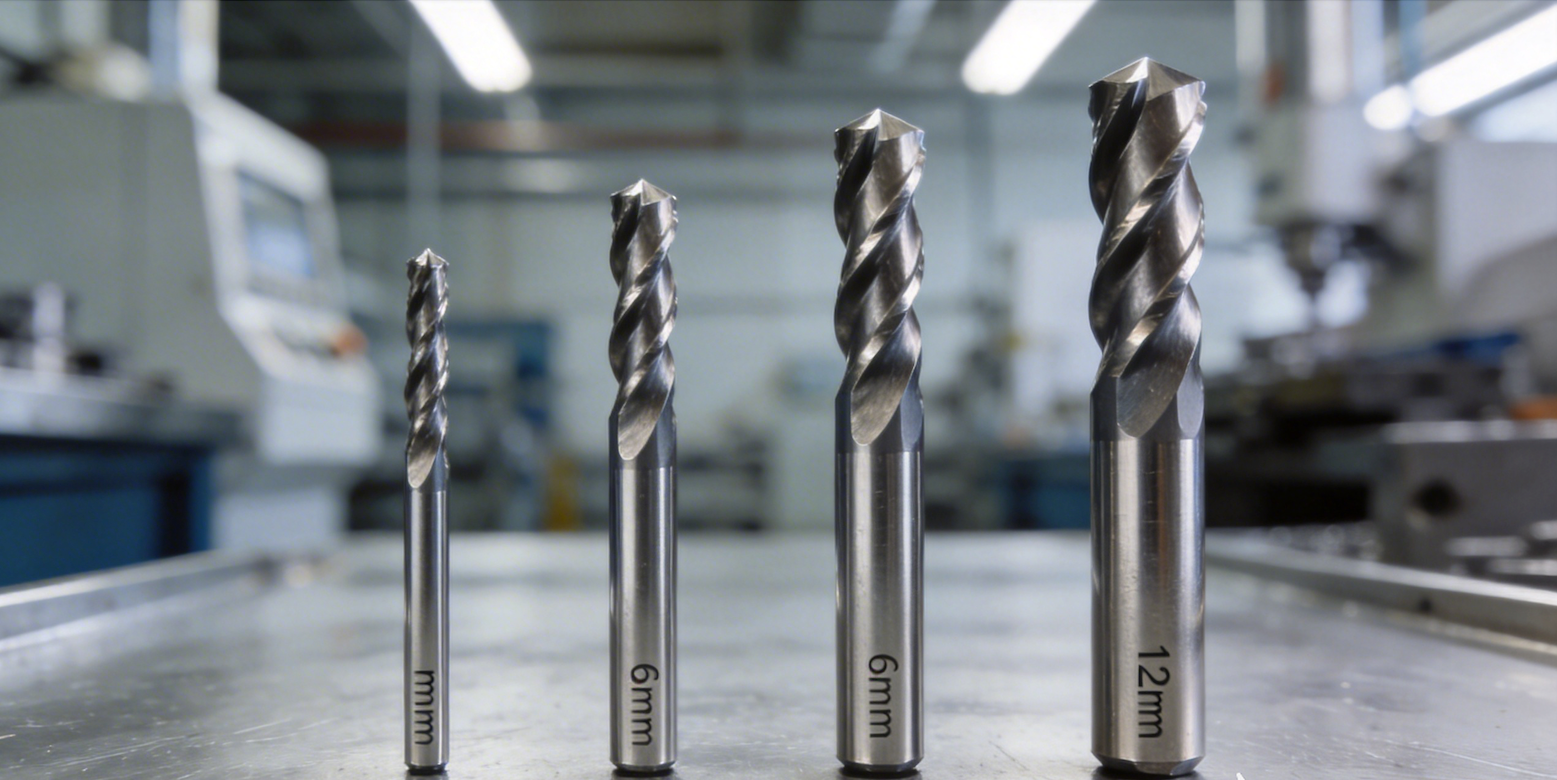
3. Design for Standard Tooling
- Align holes with standard drill sizes
- Avoid custom micro-tool requirements
- Use logical dimensional increments
4. Minimize Secondary Operations
- Use chamfers instead of sharp edges
- Specify surface finishes only when necessary
DFM Checklist Before RFQ
- Are tolerances function-driven?
- Are internal radii tool-compatible?
- Is wall thickness uniform?
- Can setups be minimized?
- Are unnecessary features removed?
Strategic DFM Collaboration
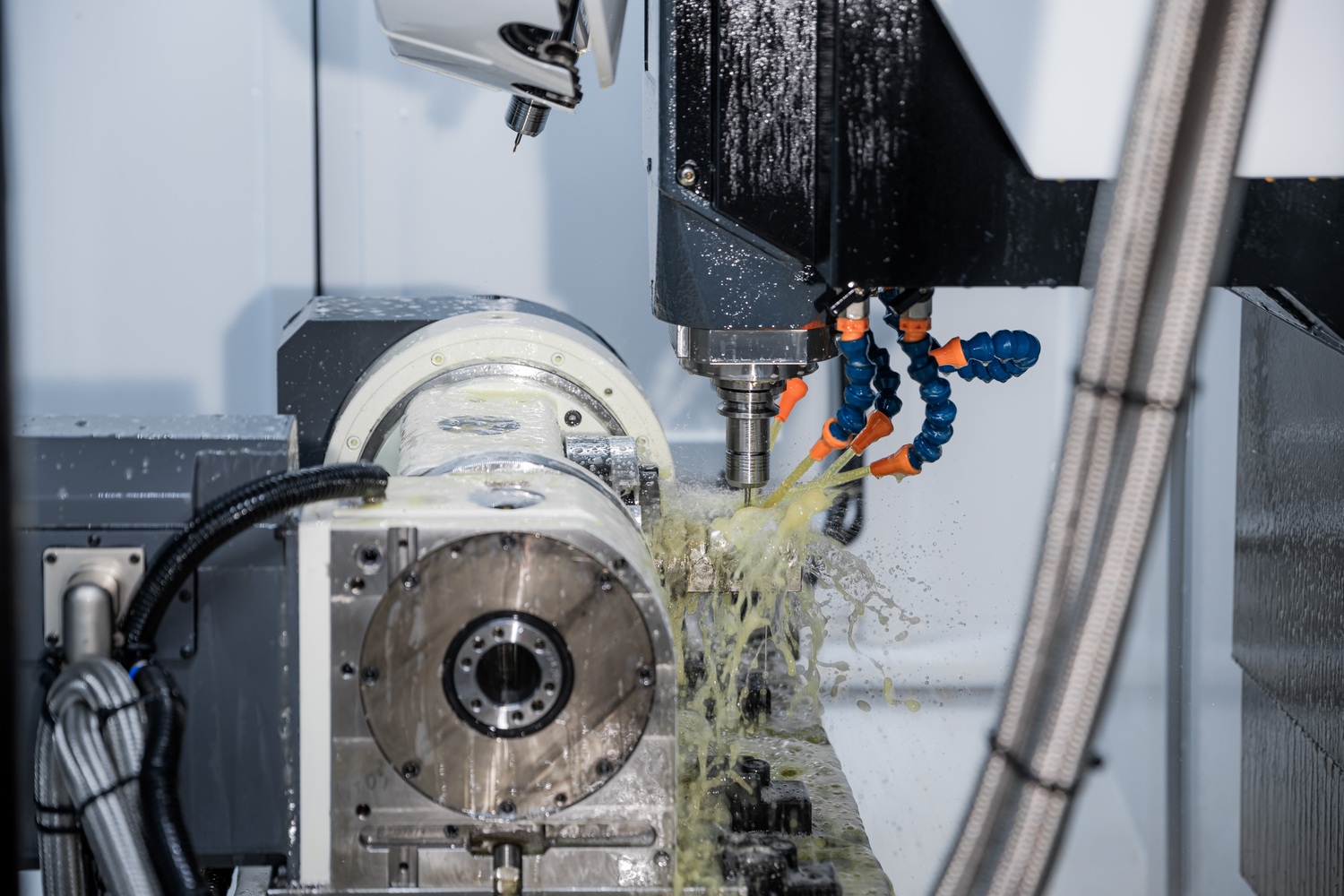
Early supplier engagement allows tooling feasibility checks, tolerance mapping, and machining strategy optimization before production approval.
Request an Engineering-Level DFM Review
If you are preparing CNC components for prototype or production and want to reduce redesign risk:
- Engineering DFM assessment
- Cost impact analysis
- Prototype-to-production support
- NDA-protected collaboration
Post time: Mar-04-2026


