

CNC Machining RFQ Checklist: What Information Saves Time and Cost (2026 Guide)
When requesting CNC machining quotes, many buyers expect fast and accurate pricing—but often experience delays, inconsistent quotes, or repeated clarification requests.
The reason is simple: incomplete or unclear RFQ (Request for Quotation) information.
In precision manufacturing, suppliers rely entirely on the RFQ package to estimate cost, lead time, and manufacturability. Missing or vague details force suppliers to make assumptions, leading to slower quoting, higher pricing, and unnecessary back-and-forth communication.

Why a Complete RFQ Matters in CNC Machining
A well-prepared RFQ is not just a form—it is a technical communication tool. Suppliers use RFQs to estimate machining time, evaluate manufacturability, plan tooling, and assess quality requirements.
When RFQs lack key data, suppliers must ask clarification questions, assume conservative tolerances, and include risk buffers. This directly increases both lead time and cost.
Complete CNC Machining RFQ Checklist
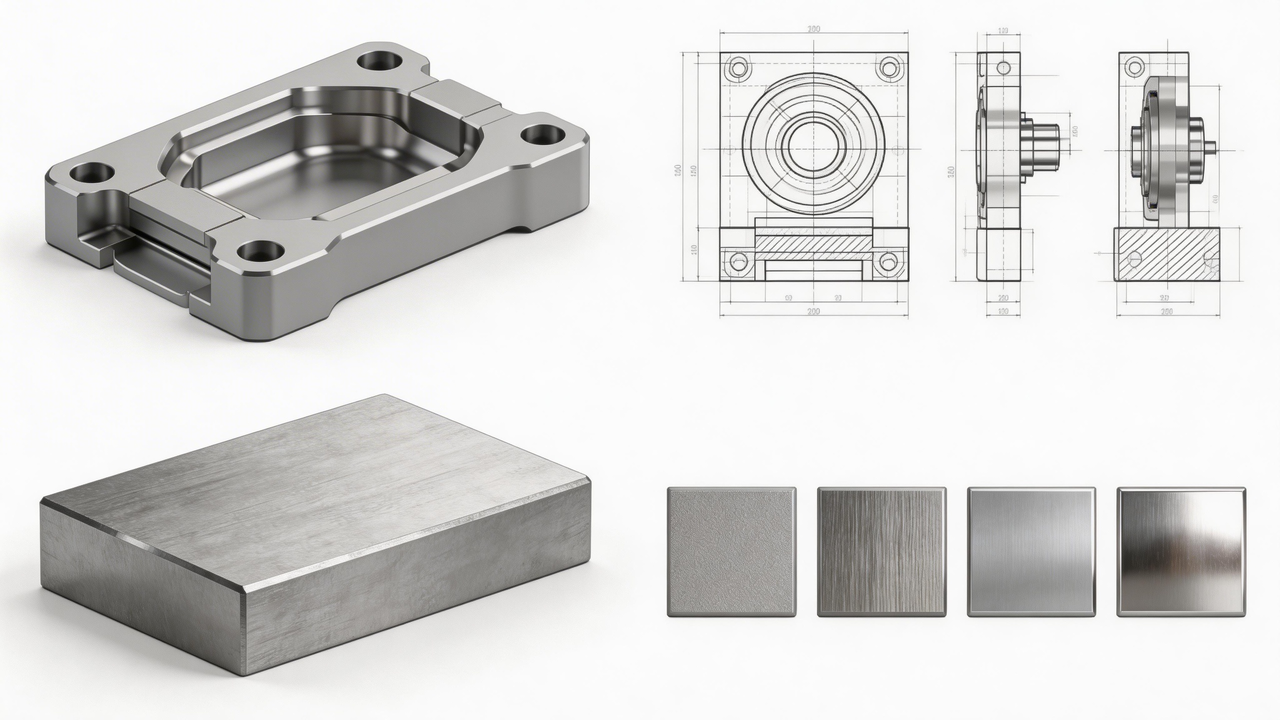
1. 3D CAD Model (Mandatory)
Provide 3D models in STEP, IGES, or native CAD formats. These are used to analyze geometry, estimate machining time, and generate toolpaths.
2. 2D Engineering Drawing (Critical)
Include fully dimensioned drawings with tolerances, GD&T, thread callouts, and notes. 3D shows geometry, but 2D defines manufacturing intent.
3. Material Specification
Avoid vague terms like “aluminum” or “steel.” Specify exact grades such as 6061-T6 or 304 stainless steel, along with any heat treatment or certification requirements.
4. Tolerance Requirements
Clearly define general and critical tolerances. Overly tight tolerances increase machining cost without necessarily improving function.
5. Surface Finish & Post-Processing
Specify surface roughness (Ra), anodizing, plating, polishing, or other finishing processes.
6. Quantity & Production Volume
Indicate prototype quantity, batch size, and potential annual demand. Quantity directly affects pricing structure.
7. Lead Time Requirement
Provide clear deadlines instead of vague terms like “ASAP.” Realistic timelines help suppliers plan capacity efficiently.
8. Inspection & Quality Requirements
Specify inspection reports, material certifications, and quality standards such as CMM inspection if required.
9. Assembly or Functional Context
Provide assembly drawings or explain how the part will be used. This helps suppliers understand critical features.
10. Additional Notes
Include packaging requirements, labeling, or surface protection instructions. Small details can impact cost.
Common RFQ Mistakes That Increase Cost and Delay
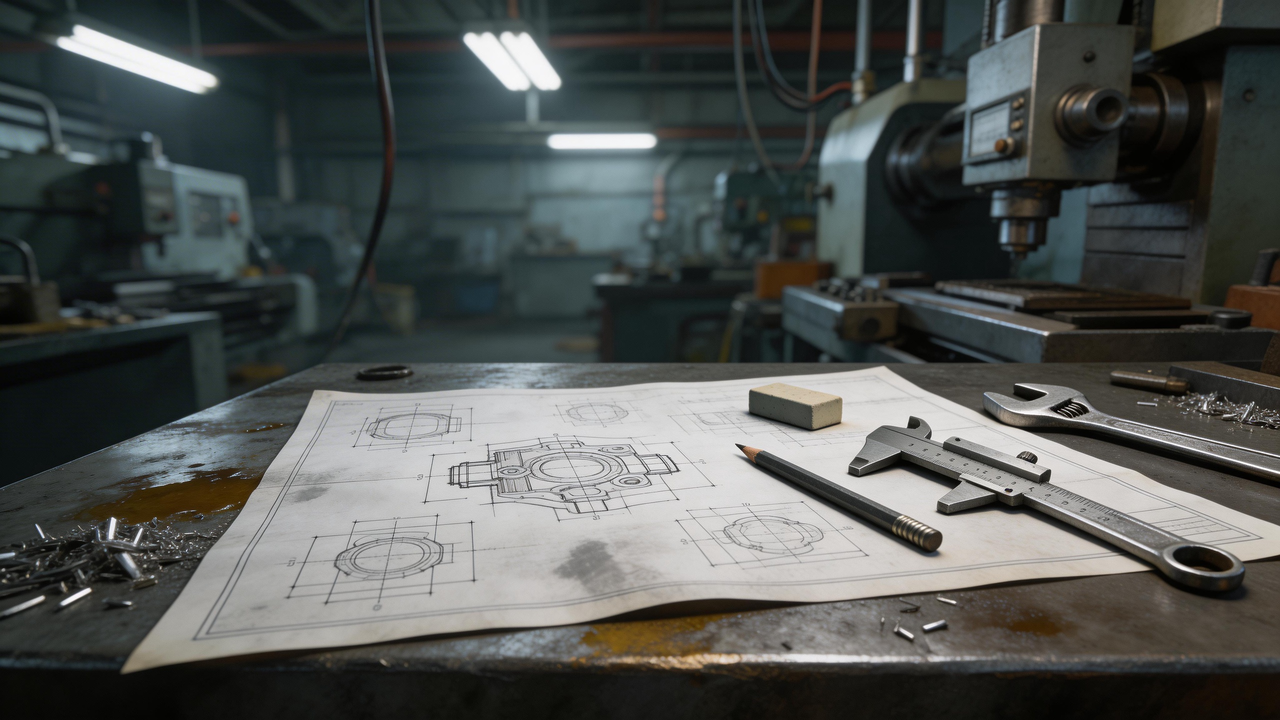
- Missing material specifications
- No tolerance definition
- Only 3D model without drawings
- Undefined surface finish
- Unrealistic lead times
How Better RFQs Reduce Cost
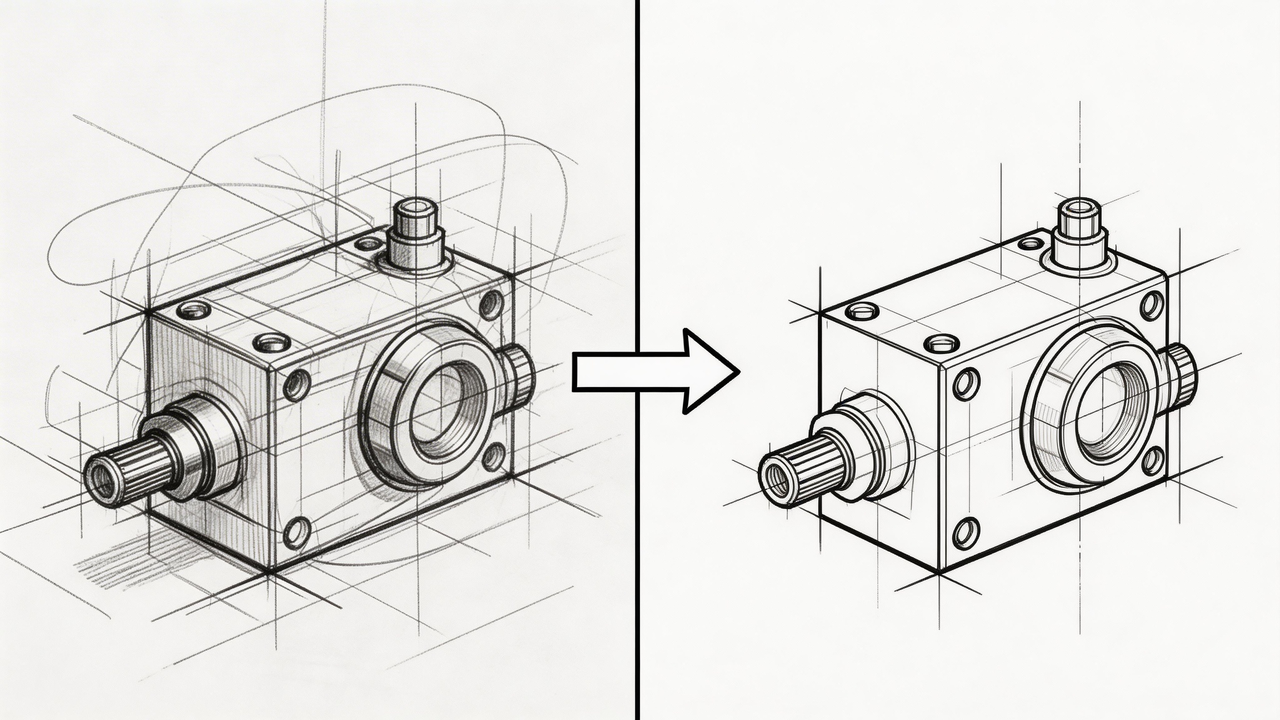
Complete RFQs can reduce quote turnaround time by 40–60%, lower machining costs by 20–40%, and eliminate unnecessary communication cycles.
A strong RFQ is the first step to cost optimization.
Pro Tips for Faster and More Accurate CNC Quotes
- Provide both 2D and 3D files
- Use clear file naming conventions
- Request tiered pricing (1 / 10 / 100 pcs)
- Ask for DFM (Design for Manufacturability) feedback
Final Thoughts
A CNC machining RFQ is not just a request—it is the foundation of your entire manufacturing process. Clear and complete RFQs lead to faster quotes, lower costs, and better production outcomes.

Ready to Submit a Better RFQ?
At Kachi Precision Manufacturing, we help engineers and procurement teams improve RFQ quality and achieve more accurate CNC machining quotes.
Our team provides DFM feedback, cost optimization suggestions, and fast response within 2–24 hours.
Post time: Mar-20-2026


