

CNC Machining Quality Control Process: From IQC to OQC (2026 Guide)
In precision CNC machining, quality is not something inspected at the end—it must be controlled throughout the entire production process.
For engineers and procurement teams, understanding how CNC machining suppliers ensure quality is critical to selecting a reliable partner.
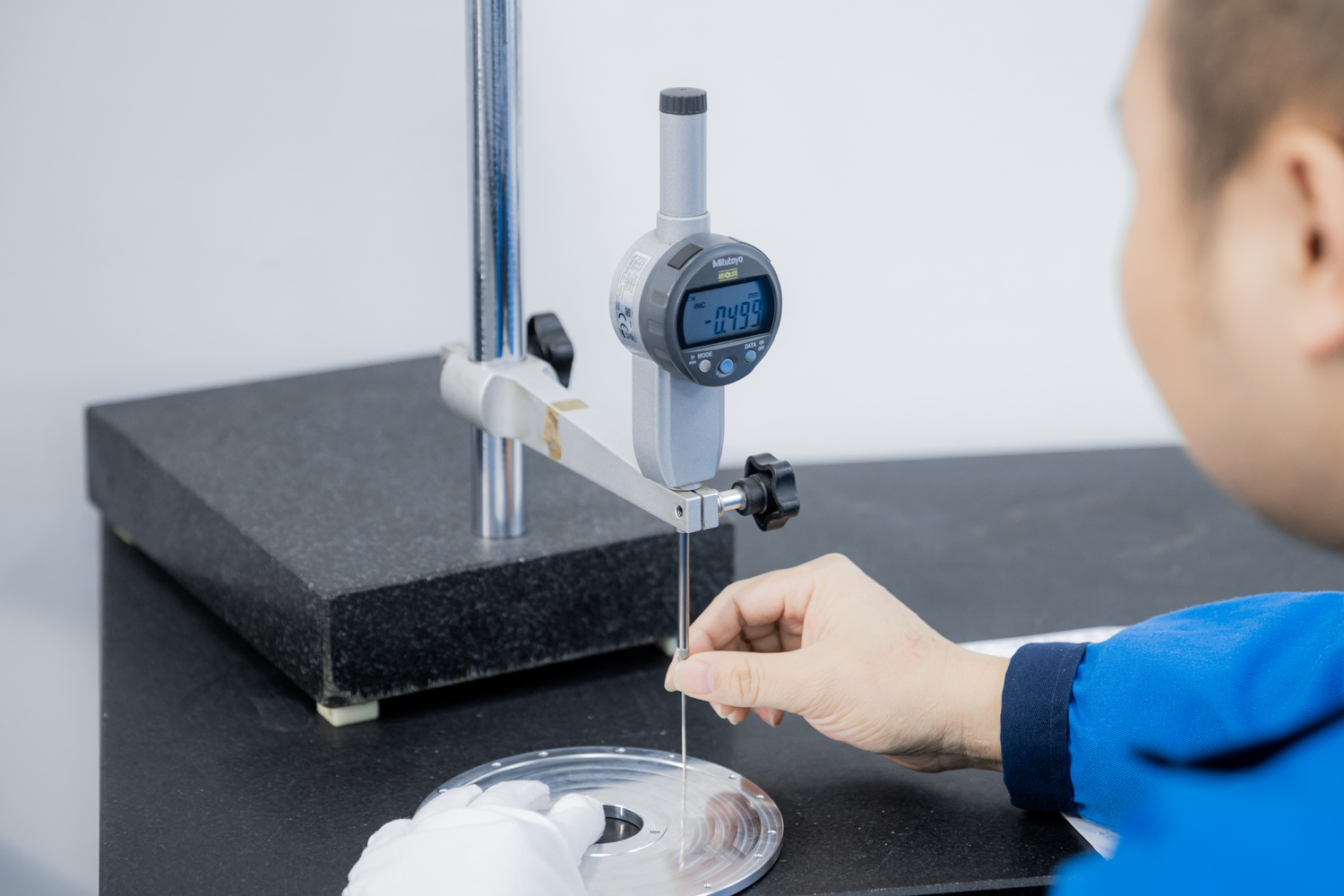
Why Quality Control Is Critical in CNC Machining
Even small deviations in CNC machining can lead to assembly failure, functional defects, and costly rework. A structured quality control system ensures consistency and precision.
Overview of CNC Quality Control Process
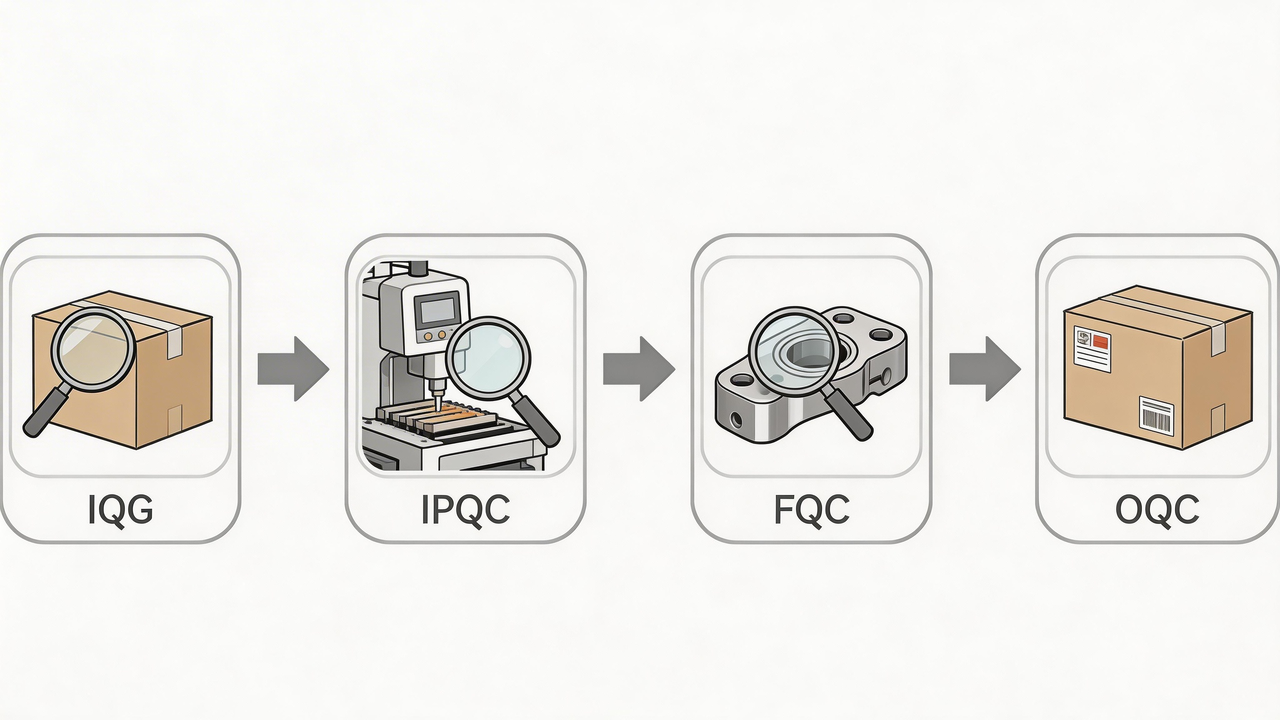
- IQC – Incoming Quality Control
- IPQC – In-Process Quality Control
- FQC – Final Quality Control
- OQC – Outgoing Quality Control
IQC – Incoming Quality Control
Material Verification
Check material grade, certifications, and surface condition before machining.
Why IQC Matters
Incorrect material can lead to part failure and costly scrap.
IPQC – In-Process Quality Control

Process Monitoring
Includes first article inspection, dimensional checks, and tool wear monitoring.
Key Benefit
Detect deviations early and prevent batch defects.
FQC – Final Quality Control
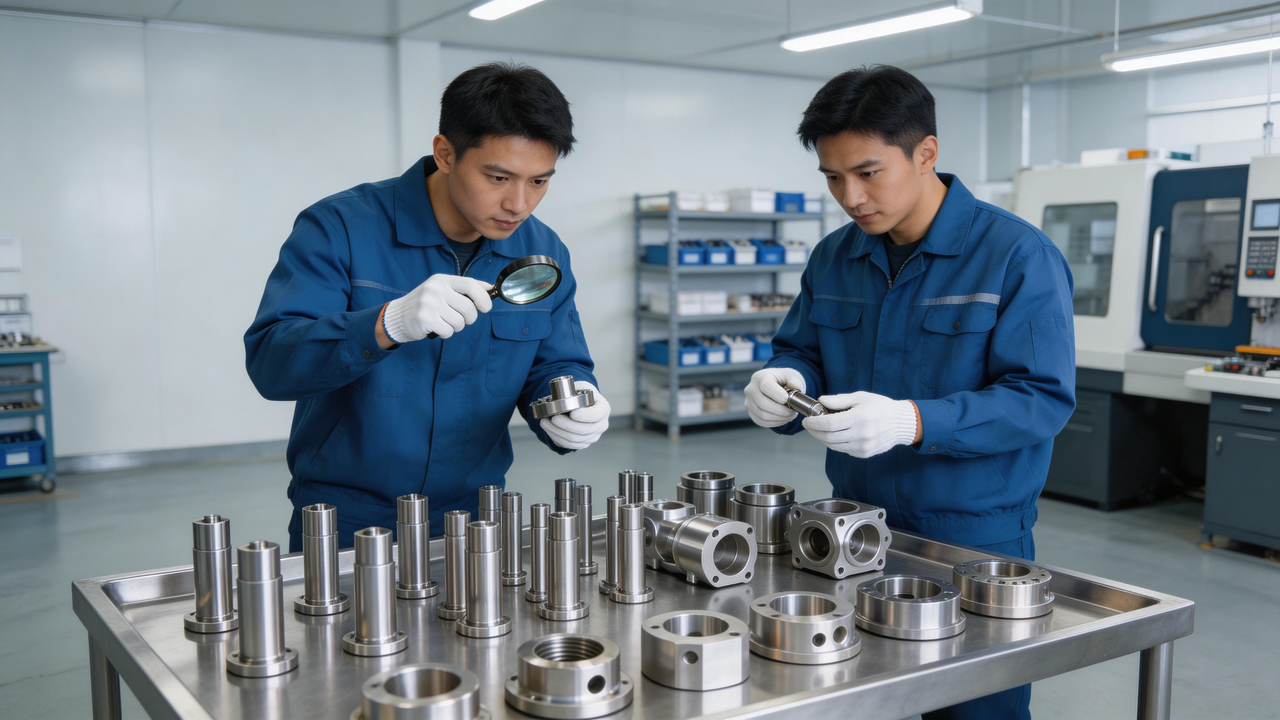
Final Inspection
All parts are measured using CMM, gauges, and visual inspection.
Documentation
Inspection reports ensure compliance with specifications.
OQC – Outgoing Quality Control
Shipment Verification
Ensure quantity, packaging, and labeling meet requirements.
Advanced Quality Practices
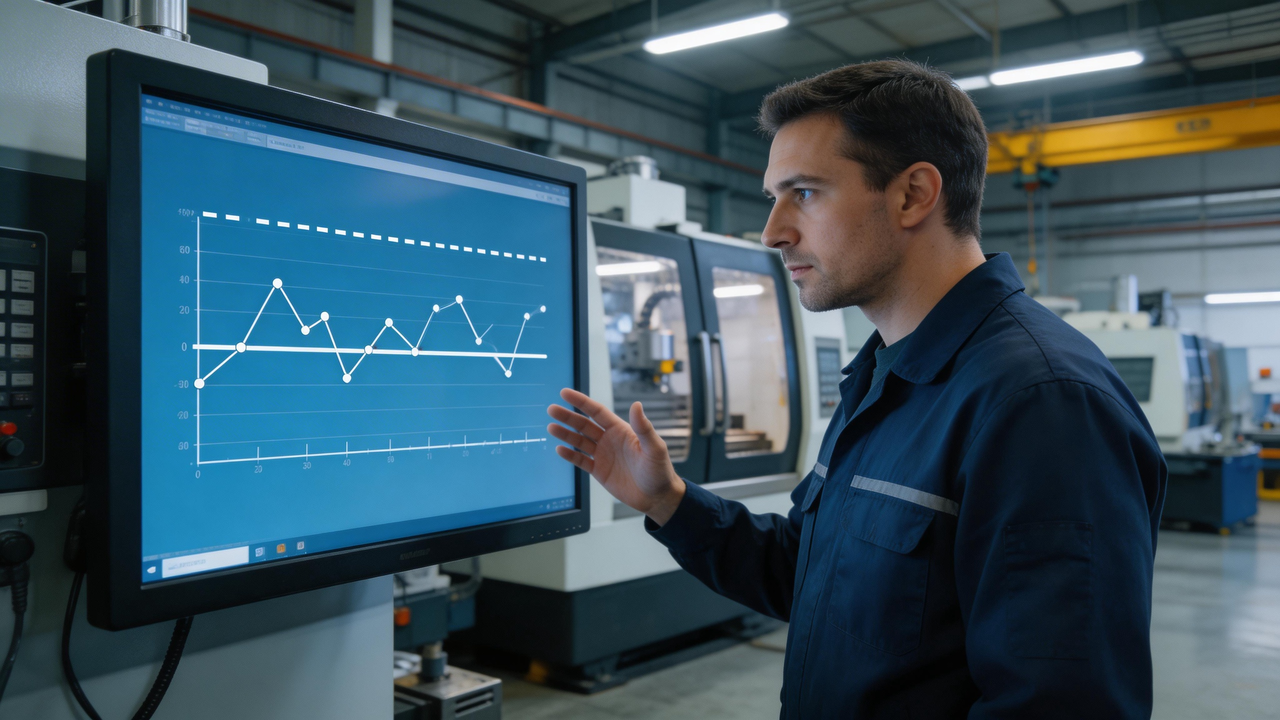
- Statistical Process Control (SPC)
- Traceability systems
- Digital inspection tools
Common Quality Risks
- No material certification
- Lack of in-process inspection
- Inconsistent tolerances
- Poor documentation
How to Evaluate a CNC Supplier
Ask whether the supplier has full-process quality control, inspection equipment, and standardized systems.
Conclusion
Quality control in CNC machining is a complete system from raw material to final delivery. Strong quality processes ensure reliable and consistent production.
Post time: Mar-26-2026


